

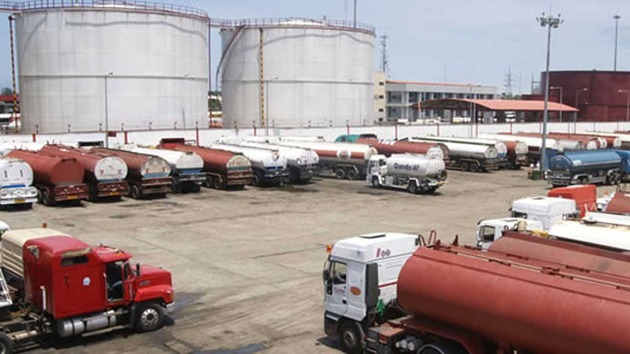
Nigeria recorded a 30.1% monthly decline in daily petrol imports to 10.2 million litres in September 2026, even as the country’s consumption increased to 44.4 million litres, raising concerns about the nation’s ability to meet local demand for the fuel.
According to NMDPRA data, total daily petrol receipts decreased to 38.7 million litres, resulting in a deficit of 5.7 million litres relative to the petrol consumed in the country.
Domestic production of the fuel also reduced by 20.6% during the same period, The News Chronicle reported. Total supplies declined significantly from 35.9 million litres per day in August to 28.5 million litres per day in September. Daily consumption also increased by 7% to 41.5 million litres.
Total receipts met about 87.2% of the petrol needs in the country as the petrol stock cover increased slightly to 23.9 days, compared to the 30 days benchmark set by the regulator.
READ ALSO: Naira Falls To N1,365 Per Dollar In Biggest Daily Drop In 18 Months
Petrol imports ranged from a high of 19.7 million litres per day in July to a low of 10.2 million litres per day in September 2026.
The reduction in the amount of imported petrol comes as the Nigerian government works on reducing the country’s reliance on the fuel by boosting local refining capacity.
For instance, the Dangote refinery increased its crude oil distillation capacity to 700,000 barrels per day after maintenance and expansion.
However, September’s figures suggest that lower imports and reduced domestic receipts have yet to translate into sufficient supply to meet rising consumption.
Consistent output from local refineries will remain crucial to narrowing the supply gap and reducing Nigeria’s exposure to petrol import costs.


