


The Federal Government has said it may introduce taxes on petroleum products after the economy stabilises and Nigerians’ income levels improve, as part of efforts to complete ongoing economic reforms.
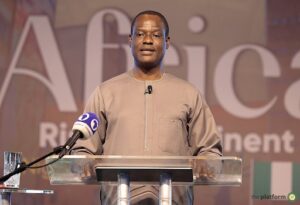
In an interview with ARISE NEWS monitored by The News Chronicle, the Minister of Finance and Coordinating Minister of the Economy, Taiwo Oyedele, said the government’s objective was to increase Nigerians’ incomes faster than prices rise rather than suppress prices through interventions that may not be sustainable.
Oyedele explained that the removal of the petrol subsidy under President Bola Tinubu was implemented in stages to minimise its immediate impact on Nigerians.
He said Tinubu announced the removal of the fuel subsidy on his first day in office in May 2023, while the foreign exchange subsidy remained in place temporarily to allow the reforms to be implemented gradually.
According to the minister, the subsequent floating of the naira also occurred progressively, with the currency’s depreciation affecting petrol prices over time.
Oyedele said the government initially managed the pace of the adjustments to cushion the effects on citizens before the remaining subsidies were fully removed in October 2023.
He noted that the exchange rate was a major factor influencing petrol prices, adding that the phased approach was intended to prevent the immediate transfer of the full burden of the reforms to Nigerians.
The minister also said many countries around the world derive between 20 and 80 per cent of petrol pump prices from taxes, while several African countries impose between six and 10 different taxes on petroleum products.
However, he explained that introducing taxes while the government was subsidising petrol would have meant the government effectively paying taxes to itself.
Oyedele added that imposing additional taxes immediately after the subsidy removal would have placed further pressure on Nigerians.
He said the government was prioritising the completion of economic reforms, stabilisation and the restoration of economic growth before considering the introduction of such taxes.
According to him, any future revenue generated from petroleum taxes would be directed towards infrastructure development, including road construction, and the establishment of fuel reserves to help cushion the impact of future price shocks.
READ ALSO: Borno Government Distributes Free School Materials to 10,000 Pupils
Oyedele said the reserves could serve as a buffer during periods of disruption in petroleum supply, allowing the government to temporarily reduce or waive taxes to moderate prices when necessary.
He added that the government would introduce the taxes only when economic conditions and income levels could accommodate them.
The minister also stressed that the proposed taxes would not be introduced secretly, explaining that the law required an official order published in the Federal Government Gazette before they could take effect.
He maintained that the government had no intention of implementing the policy without informing Nigerians of its purpose and expected benefits.
Oyedele said the broader goal of the administration’s economic policies was to improve purchasing power and expand the middle class by ensuring that income growth outpaced rising prices.


