

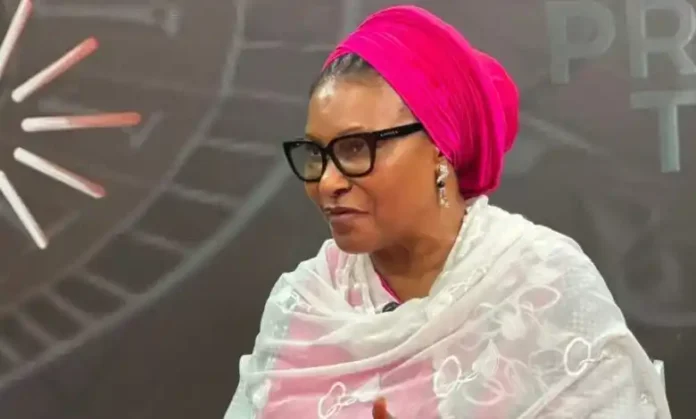
Senator Ireti Kingibe has warned Nigerians about a possible increase in their tax burden after the 2027 general election, claiming that the National Assembly has passed a policy requiring citizens to pay 25 per cent of their earnings in tax.
Kingibe made the allegation in a recent video while addressing her supporters in the Federal Capital Territory (FCT), expressing concern that many Nigerians were unaware of the policy.
According to the senator, the implementation of the alleged policy could be delayed until after the 2027 elections, potentially adding to the financial challenges faced by citizens amid rising prices of goods and services and declining purchasing power.
“They passed the policy, but fear won’t let them implement it until after the elections,” she said.
Kingibe further claimed that the National Assembly had approved the tax measure and that it would take effect after the elections, warning that its implementation could place additional financial pressure on workers, business owners and other income earners.
However, the claim that all Nigerians would be required to pay 25 per cent of their earnings in tax does not accurately reflect the provisions of the new tax framework.
Under the Nigeria Tax Act 2025, which took effect on January 1, 2026, personal income tax is calculated using a progressive system based on taxable income.
The framework provides a zero per cent tax rate on the first N800,000 of taxable income, while the highest rate of 25 per cent applies to taxable income exceeding N50 million. Other taxable income bands attract rates of 15, 18, 21 and 23 per cent.
This means that the 25 per cent rate does not apply uniformly to every Nigerian, as the amount of tax payable depends on an individual’s taxable income and the applicable provisions of the law.
The Federal Government has said the tax reforms are intended to simplify tax administration, improve compliance and establish a more progressive tax system, while providing relief for low-income earners.
Kingibe’s comments come amid growing public interest in taxation, household income and the rising cost of living ahead of the 2027 general election.
Her allegation that implementation of the tax policy would be delayed until after the elections also raises questions, given that the new tax framework officially commenced in January 2026.
The senator’s remarks have therefore drawn attention to the need for clear public communication about the tax reforms and the obligations they impose on different categories of taxpayers.


