

The Obidient Movement has cautioned the Independent National Electoral Commission (INEC) against deploying Artificial Intelligence (AI) in the 2027 general elections without first addressing what it described as unresolved concerns over electoral transparency, result transmission and the credibility of the commission’s processes.
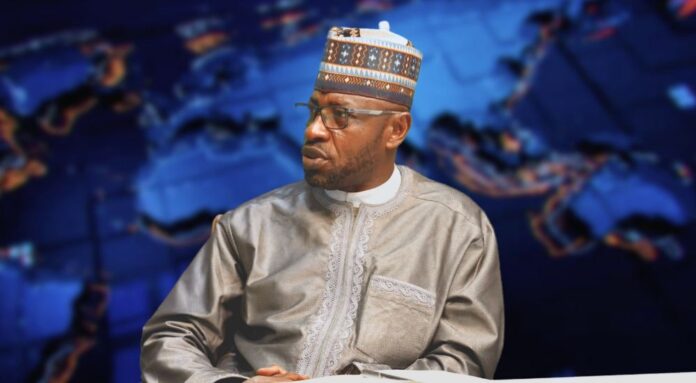
The National Coordinator of the movement, Yunusa Tanko, gave the warning in a statement issued in Abuja on Tuesday, following INEC Chairman, Prof Joash Amupitan’s disclosure that the commission had begun deploying AI tools ahead of the elections.
Amupitan had disclosed at the 24th All Nigeria Editors Conference in Enugu that INEC had commenced the deployment of AI tools to detect discrepancies and administrative errors in election results.
He also said the commission was strengthening its defences against AI-generated disinformation capable of producing fake result sheets, cloned voices of electoral officials, fabricated videos and forged official documents.
However, Tanko said the Obidient Movement rejected the proposed deployment of AI, arguing that INEC had yet to adequately explain how the technology would work, the problems it was intended to address and the safeguards that would prevent its abuse.
“The same INEC that has failed to address the most basic issues surrounding electoral transparency, result transmission and the credibility of its processes is now announcing plans to deploy Artificial Intelligence in the 2027 elections.
“We reject this proposal in its entirety, particularly as the Commission has failed to explain how this technology will work, what problems it is intended to solve and what safeguards will prevent its abuse,” he said.

Tanko further cited a recent investigation by Mundx Analytics, which he said found that presidential results from more than 50,000 polling units were uploaded from people’s phones.
He argued that technological advancement alone could not guarantee credible elections without institutional accountability.
“Introducing AI into a system that has yet to account for its existing failures is not electoral reform. It is an attempt to distract Nigerians from the fundamental questions of institutional independence, transparency and accountability,” Tanko said.
The Obidient Movement consequently demanded that INEC publish its comprehensive 2027 election plan, including the technologies, procedures and safeguards it intends to deploy.
It also called for an independent audit of the commission’s electoral technology and the public disclosure of the findings and corrective measures.
Tanko further demanded transparent and verifiable result transmission, saying every vote cast at the polling unit must be accurately reflected in the final result.
He also urged INEC to explain its proposed use of AI and subject the technology to independent testing and public scrutiny.
The national coordinator said Amupitan still had time to reconsider the commission’s approach before the 2027 elections.
READ ALSO: Delta Police Arrest Education Commissioner, Three Others Over Deputy Director’s Death
“The INEC Chairman, Mr Joash Amupitan, still has enough time to retrace his steps before it is too late. The people’s mandate is not negotiable,” Tanko added.
Amupitan, in his address at the editors’ conference, said INEC had established a dedicated Artificial Intelligence Division within its ICT Department and developed an AI Roadmap and Governance Framework anchored on human oversight, transparency and accountability, data protection, cybersecurity and public trust.
He said the commission’s AI tools would complement, rather than replace, existing electoral institutions, adding that automated checks on election results would remain subject to human auditing and legal verification.
Amupitan also warned that AI-generated disinformation posed a growing threat to elections, noting that convincing fake result sheets, cloned voices, fabricated videos and forged official documents could be produced and circulated rapidly.
He said the danger was not only that voters could believe fabricated information, but that widespread exposure to convincing falsehoods could cause Nigerians to lose confidence even in genuine election results.


