
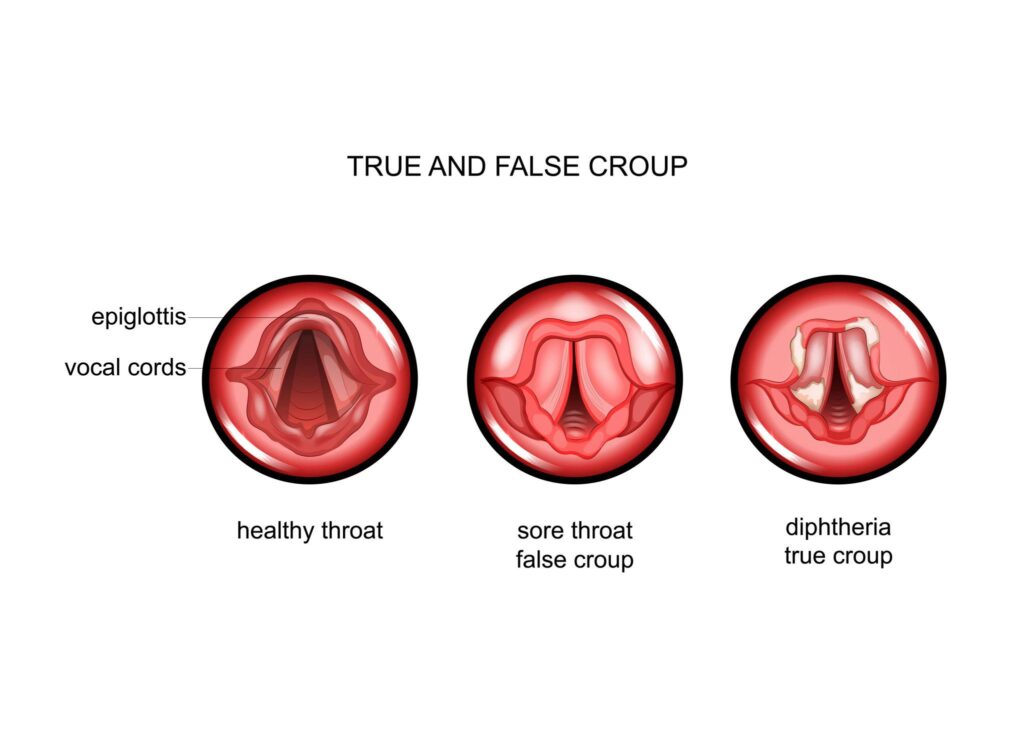
The infection can produce a thick, greyish membrane in the throat that may obstruct the airway. In severe cases, this can become life-threatening

Diphtheria is caused mainly by toxin-producing strains of the bacterium Corynebacterium diphtheriae.
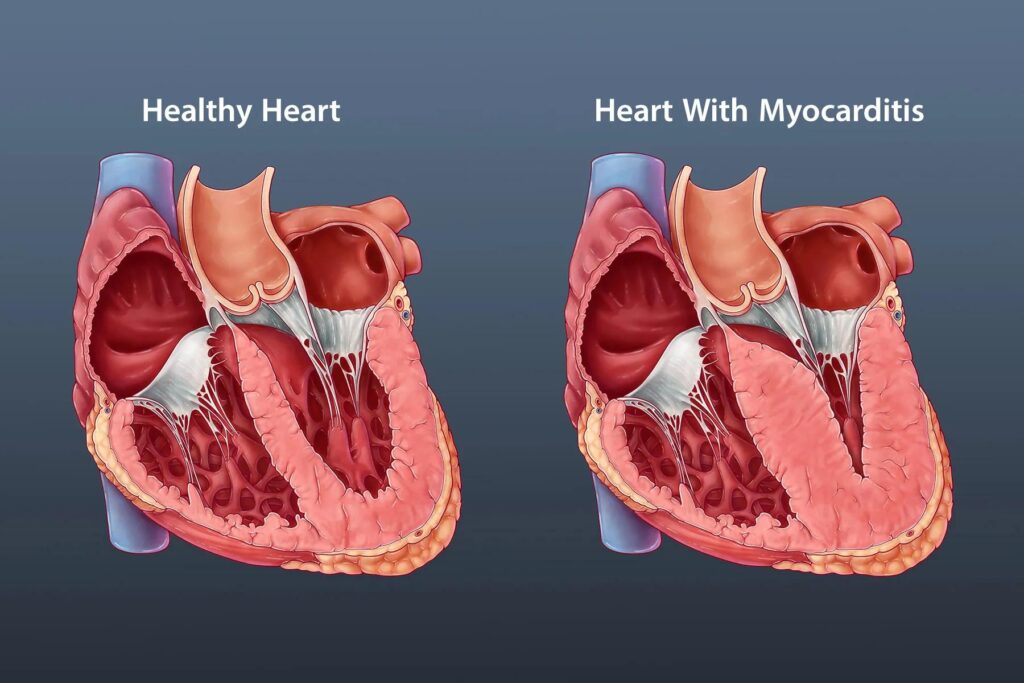
Diphtheria toxin can damage the heart muscle, potentially causing myocarditis, an inflammation that can lead to abnormal heart rhythms and heart failure.

Some infected people have mild symptoms or carry the bacteria in their nose or throat and can still transmit it to others.
The thick coating that can develop in the throat is made up of dead tissue, bacteria, fibrin and inflammatory cells. Trying to forcibly remove it can cause bleeding.

While throat and respiratory infections are better known, cutaneous diphtheria can cause ulcers or sores on the skin.

The diphtheria vaccine does not simply train the body to recognise the bacteria. It primarily prepares the immune system to neutralise the diphtheria toxin, which causes much of the serious damage.

Previous infection does not necessarily provide reliable lifelong protection. Vaccination and recommended booster doses remain important.

Because diphtheria can progress rapidly, doctors may start treatment based on clinical suspicion rather than waiting for laboratory results. Treatment can include diphtheria antitoxin and antibiotics, alongside measures to prevent transmission.

The toxin can cause nerve damage and weakness, with some neurological complications appearing after the initial infection.

The name comes from the Greek word “diphthera,” meaning leather or hide, referring to the tough membrane that can form in the throat.

German researchers Edwin Klebs and Friedrich Loeffler played major roles in identifying the bacterium associated with diphtheria in the 1880s. Loeffler subsequently demonstrated its ability to produce a toxin
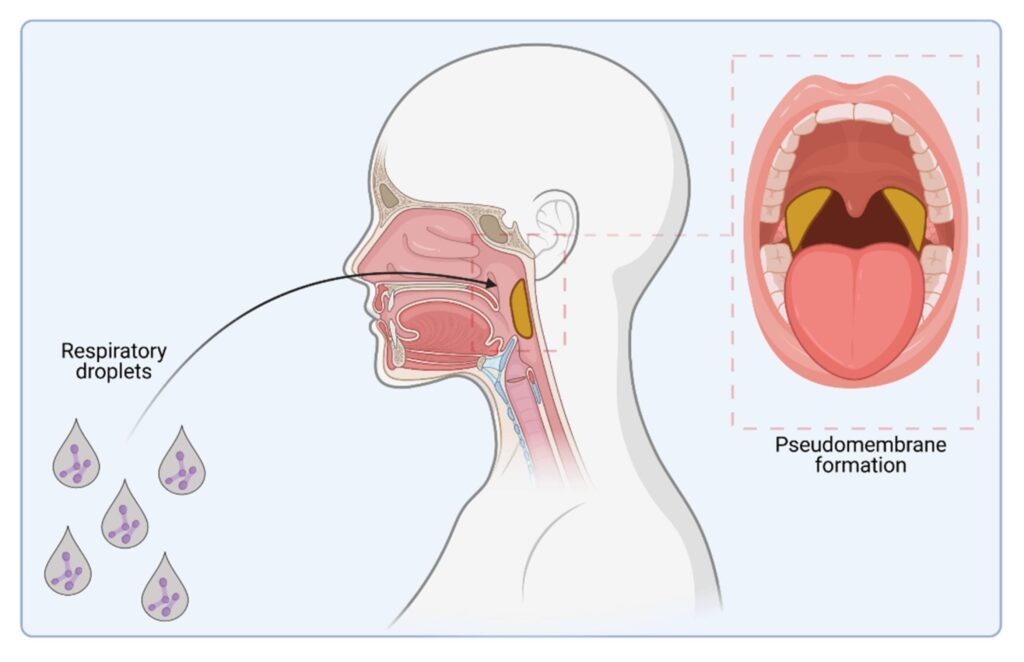
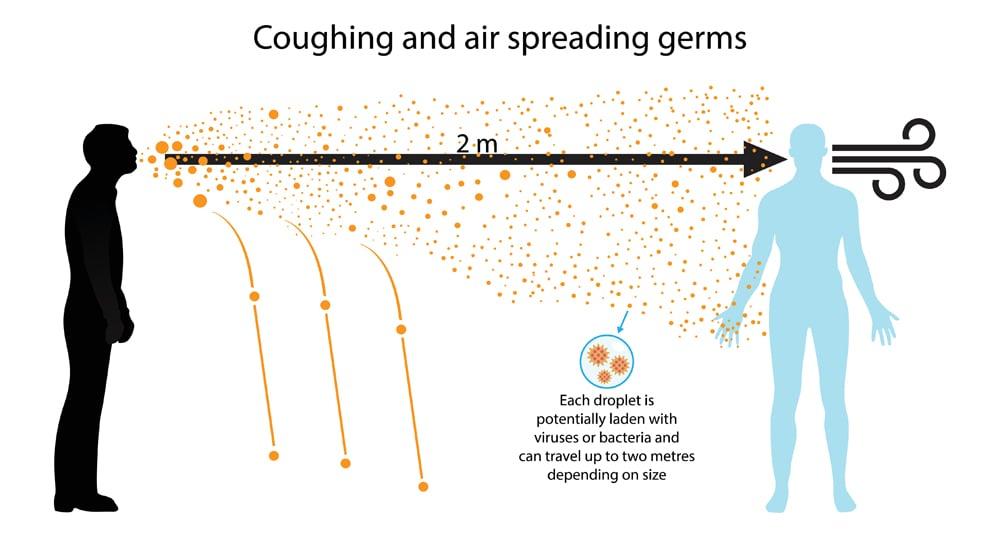
Respiratory diphtheria is generally transmitted through respiratory droplets and close contact with an infected person. It can also spread through contact with infected sores in cases of cutaneous diphtheria.

Corynebacterium diphtheriae can persist on contaminated objects and surfaces under suitable conditions, although person-to-person respiratory transmission is the major route for respiratory diphtheria.

Early symptoms may include sore throat, fever, weakness and swollen neck glands, making it easy to mistake the illness for a more routine throat infection.