

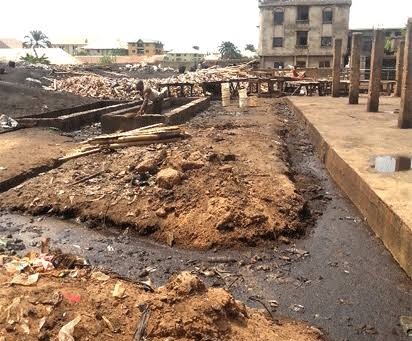
An environmental expert, Mrs Halima Haruna, has warned that indiscriminate disposal of abattoir waste poses serious risks to public health, the environment and the climate.
Haruna, an environmental educator and geologist at Kaduna Polytechnic, raised the concern in an interview on Wednesday in Kaduna.
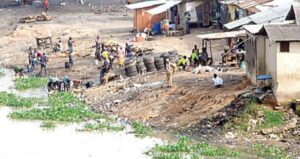
She said untreated abattoir effluents could expose residents to cancer risks, heavy metal poisoning, bioaccumulation and other long-term health complications.
According to her, improper disposal of abattoir waste also contaminates soil and water sources, while open burning contributes to poor air quality.
“Abattoir pollution thrives on poor awareness and weak enforcement. The media must investigate, educate the public, amplify scientific evidence and promote accountability,” she said.
Haruna identified cadmium, lead, mercury, zinc and copper as some of the heavy metals that could contaminate soil around poorly managed abattoirs.
She, however, noted that effective waste management could transform the challenge into economic opportunities through biogas production, methane-to-power projects, composting and carbon credit schemes.
The expert urged governments to consider relocating abattoirs away from densely populated areas and strengthen enforcement of environmental regulations.
READ ALSO: Nigerian Army Needs Strong Leadership to Tackle Emerging Security Threats — COAS Shaibu
She also called for closer collaboration among environmental agencies, scientists and medical researchers to monitor and address pollution-related health risks.
Haruna further urged traditional rulers, community leaders and religious institutions to intensify public sensitization on proper waste disposal and environmental health.


