

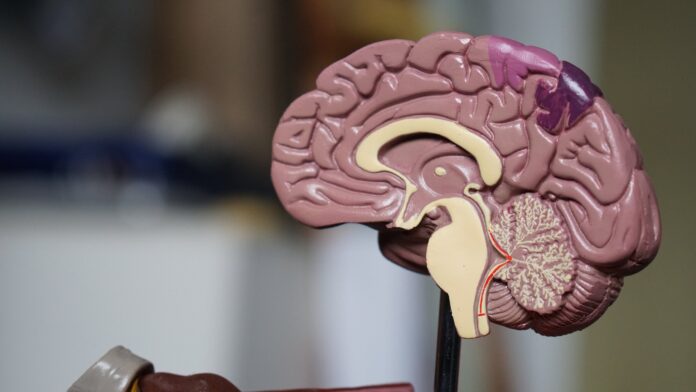
About 60% of the brain is fat, making healthy fats like omega-3 and omega-6 essential for brain structure, cellular stability, and overall neurological health.
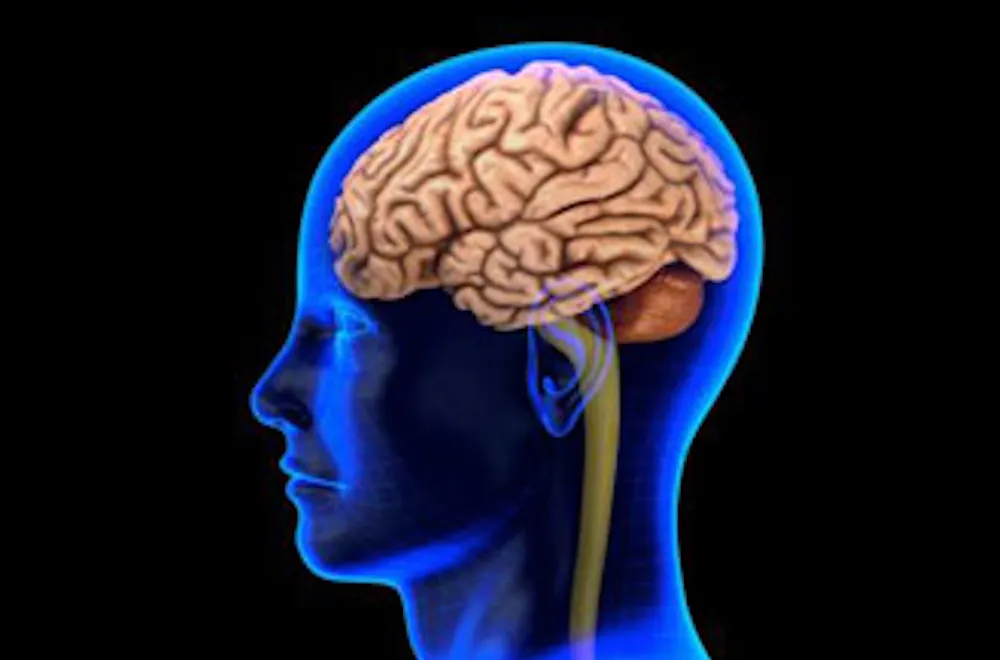
These neurons form an immense communication network connected by trillions of synapses. Signals can travel through them at speeds of up to 250 miles per hour.
The idea that we only use 10% of the brain is a myth. Brain imaging shows that most regions are active over a 24-hour period, including during sleep
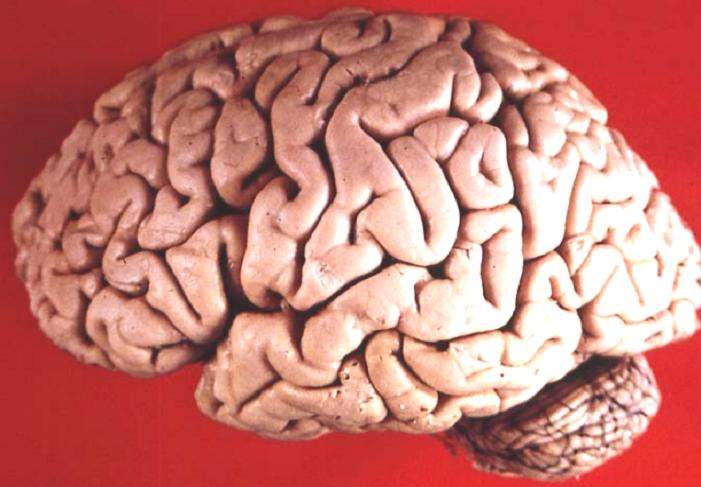
When awake, the brain generates about 12–25 watts of electricity, enough to power a small light bulb, using glucose as its main energy source.

Short-term memory typically holds information for about 20–30 seconds, and can store roughly seven items at a time in working memory

Even mild dehydration can impair concentration, memory, and cognitive performance, making proper hydration essential for optimal brain function.

The brain makes up about 2% of body weight, with the cerebrum accounting for roughly 85% of its mass. Its texture is often described as firm jelly.
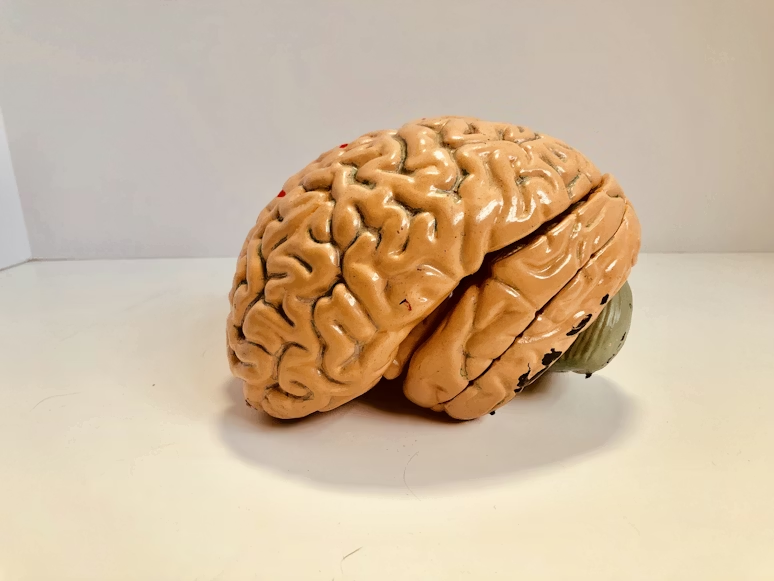
The brain continues developing into midlife before gradually shrinking. However, size does not determine intelligence or cognitive ability.

By age two, a child’s brain has reached about 80% of its adult size. Full brain maturity is typically achieved around the mid-20s.
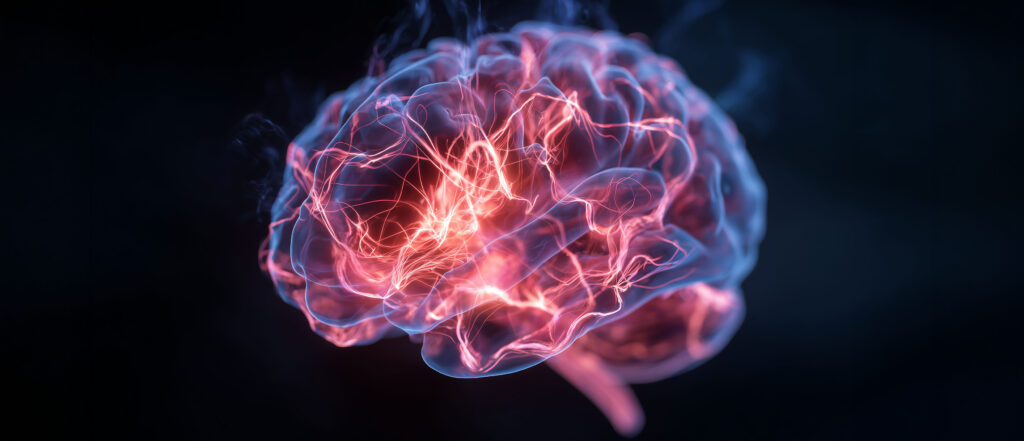
Headaches often result from chemical activity involving nerves, blood vessels, and muscles. Changes in serotonin and estrogen levels are strongly linked to migraines.
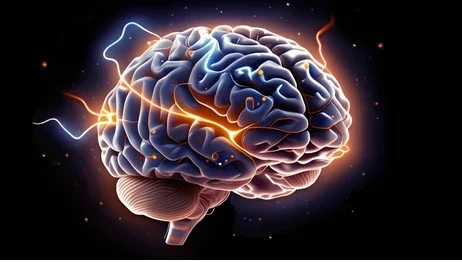
The brain itself has no pain receptors. Pain is detected by surrounding tissues such as the scalp, skull membranes, and blood vessels.
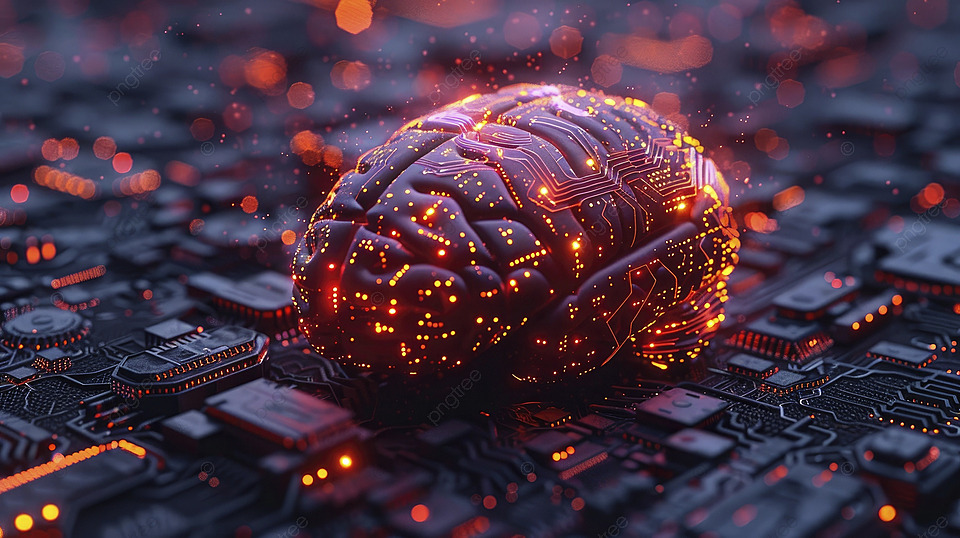
Cold stimuli near the throat trigger rapid changes in blood vessels, causing sudden pain signals known as “brain freeze,” medically called sphenopalatine ganglioneuralgia.
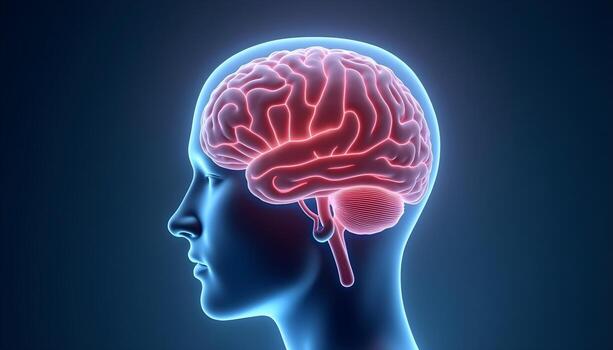
Dreams result from a mix of neurological activity, imagination, and emotional processing. Most people experience about 4–7 dreams per night.
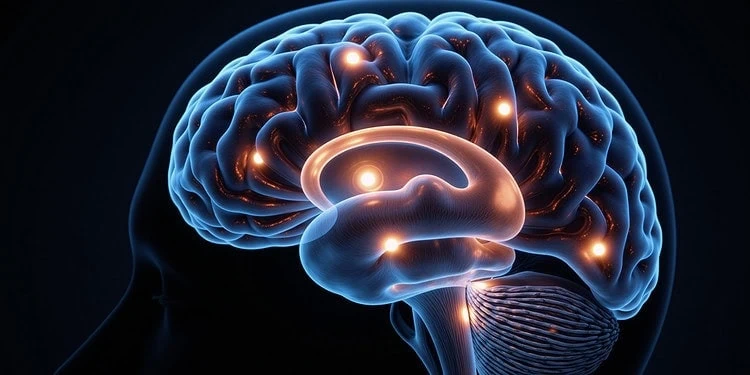
While short-term effects include impaired coordination and speech, long-term heavy drinking can lead to lasting memory and cognitive decline.
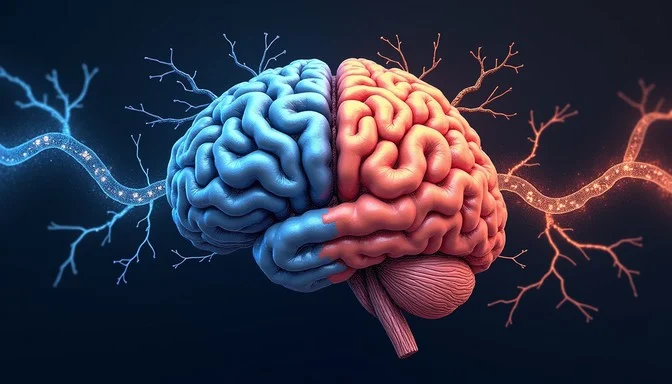
What feels like multitasking is actually rapid switching between tasks. This can increase errors by up to 50% and significantly slow down productivity.


