

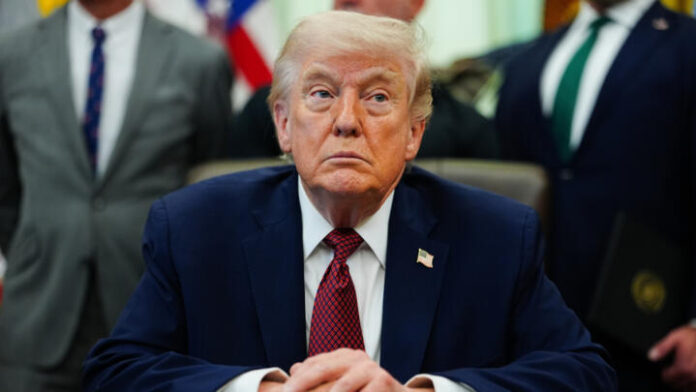
US President Donald Trump has approved an extension of the ceasefire with Iran, allowing negotiations to continue beyond the initial deadline as diplomatic efforts intensify. The decision follows a request from Pakistan, which has been playing a central role in mediating discussions between the two countries.
Noting that internal disagreements within its leadership have slowed progress, Trump claimed the extension would give Iran more time to submit a cohesive plan. Though hostilities have temporarily stopped, US soldiers have been told to keep their strategic presence—including continuous naval missions close to the Strait of Hormuz.
Originally approved in early April amid growing tensions that threatened to cut off global oil routes, the ceasefire is a key concern for world markets; stability in the region remains a crucial conduit for international energy flows. Reflecting restrained optimism among investors, oil prices have shown little movement.
The News Chronicle gathered that uncertainty about Iran’s attitude on major issues, including nuclear policy, has caused delays in negotiations. Diplomatic sources claim talks are still ongoing, yet progress has been sporadic as the parties attempt to reconcile their viewpoints, suggesting that the differing priorities and demands of each party are complicating the negotiations.
Whether Iran can offer a coordinated plan that will advance negotiations is front and center now. Until then, the extension offers a brief opportunity for diplomacy even as fundamental geopolitical conflicts persist unaddressed, including differing national interests and historical tensions among the parties involved.


