

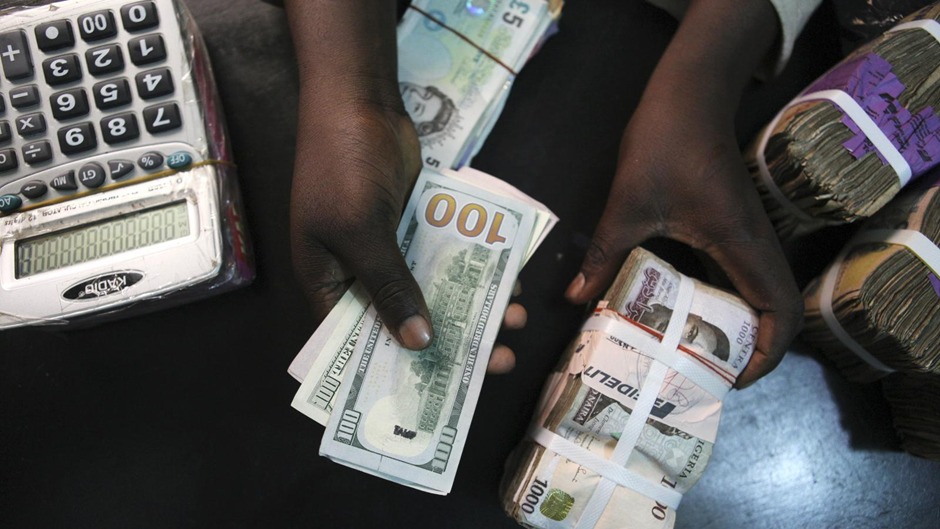
Despite monetary tightening measures being pursued by the Central Bank of Nigeria (CBN), Nigeria’s money supply (M3) hit a record high of N99.23 trillion in May 2024.
This notable expansion underscores the intricate dynamics of the nation’s financial system amidst continuous endeavors to manage inflation and stabilize the economy.
The CBN reports that in April 2024, M3 climbed by 2.33 percent from N96.97 trillion. The gain increased even more significantly on a quarter-over-quarter basis, from N92.34 trillion in March 2024 to 7.46 percent.
The money supply of an economy is broadly measured by M3, which includes a variety of easily spent or invested liquid assets. Included in it is M2, which covers money, up to two-year savings deposits, and checking accounts.
M3 also includes institutional money market funds, significant time deposits (more than two years), and short-term repurchase agreements (repos).
The amount of money in circulation increased by 1.02 percent from N3.92 trillion in April 2024 to N3.96 trillion in May 2024, reflecting the expansion in the money supply.
The amount of money in circulation increased by 2.59 percent quarterly from N3.86 trillion in March 2024. Despite the CBN’s efforts to tighten monetary policy, these numbers show a consistent flow of money across the economy.
Additionally, there was a discernible rise in loans to the private sector. The amount of credit given to the private sector increased to N74.31 trillion in May 2024, up 1.92 percent from N72.91 trillion in April of the same year, according to numbers released by the CBN. The expansion of credit in the private sector points to a lending climate that is active, which can stimulate investment and economic growth but also provide difficulties in controlling inflation.
The total quantity of money outside of banks increased from N3.60 trillion in April 2024 to N3.70 trillion in May 2024, a 2.77 percent increase. This increase suggests that cash or cash equivalents make up a sizable component of the money supply, which may affect how well the CBN’s monetary policies work.
All things considered, these patterns show how Nigeria’s financial environment is changing and growing. The money supply and private sector credit are still expanding despite the CBN’s efforts to tighten monetary policy, which presents both opportunities and difficulties for the stability and expansion of the economy of the nation.


