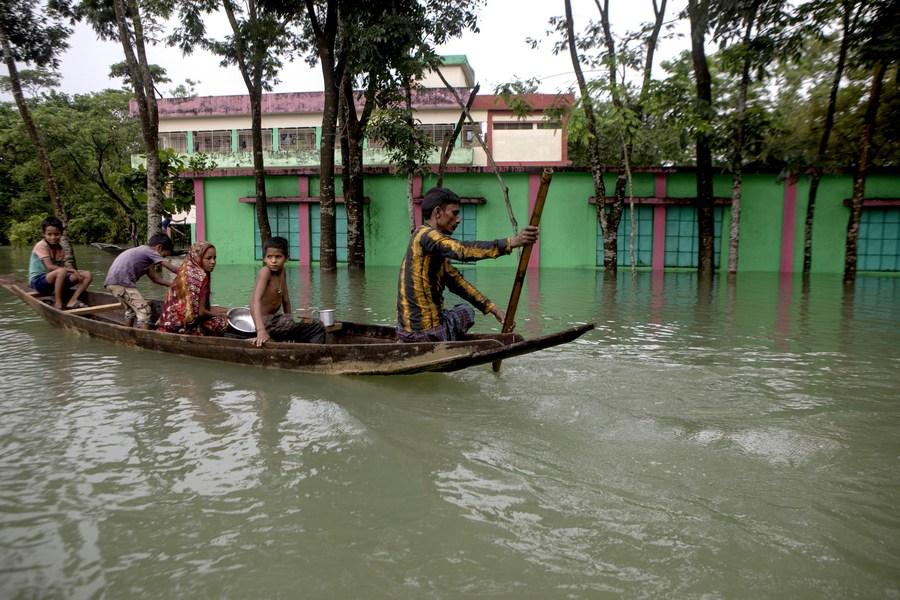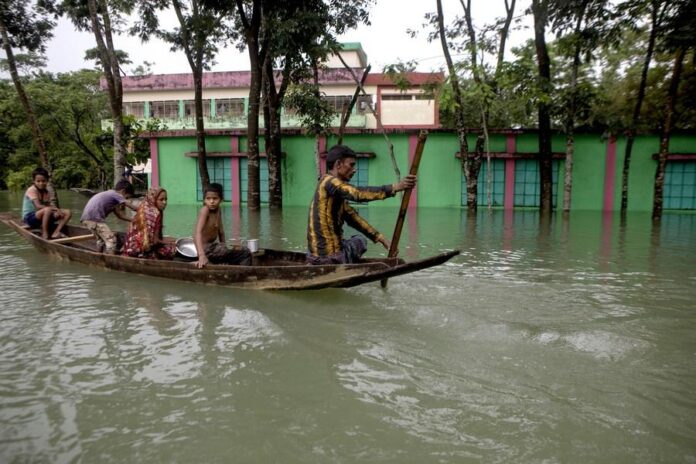

Year: 1931
Estimated deaths: 422,000–4 million
The 1931 floods devastated large parts of central and eastern China after exceptionally heavy rainfall caused the Yangtze, Yellow and Huai rivers to overflow. Millions were displaced, while famine and disease following the flooding dramatically increased the death toll. Guinness World Records lists the disaster as the flood with the highest recorded death toll, while noting the uncertainty surrounding historical estimates
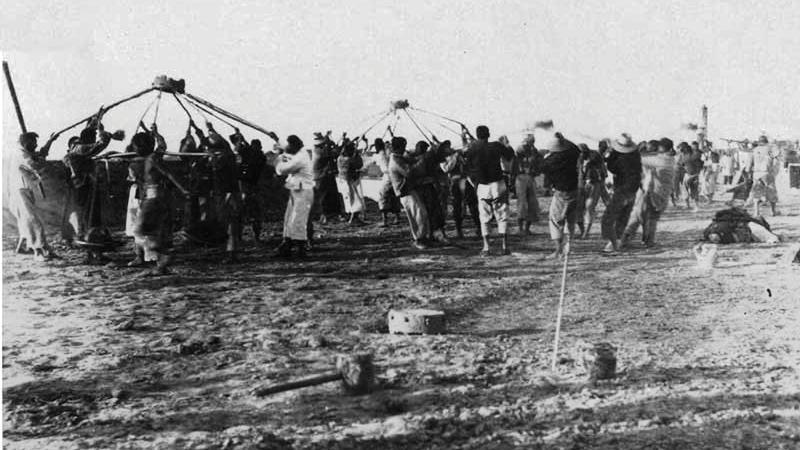
Year: 1887
Estimated deaths: 930,000–2 million
The Yellow River burst through its dikes after heavy rainfall, sending water across densely populated parts of northern China. Entire settlements and agricultural areas were submerged, while famine and disease contributed to the enormous death toll.
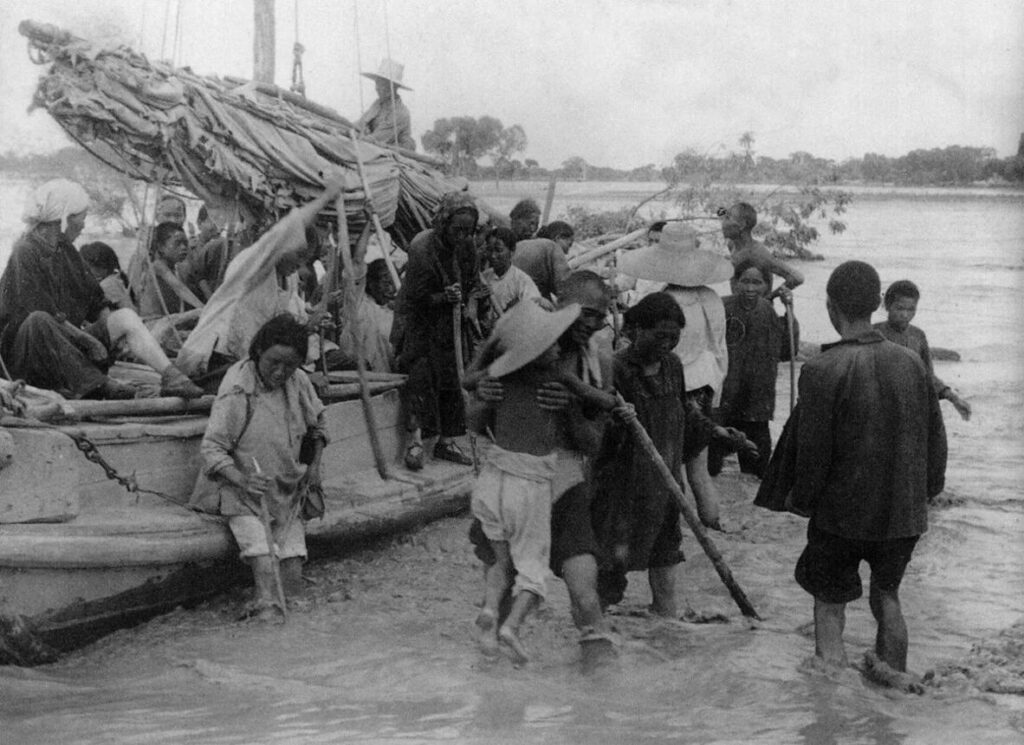
Year: 1938
Estimated deaths: 470,000–500,000
One of history’s most unusual floods, this disaster was deliberately created during the Second Sino-Japanese War. Chinese Nationalist forces breached Yellow River dikes in an attempt to slow the advancing Japanese army. The resulting flood inundated huge areas and killed hundreds of thousands.
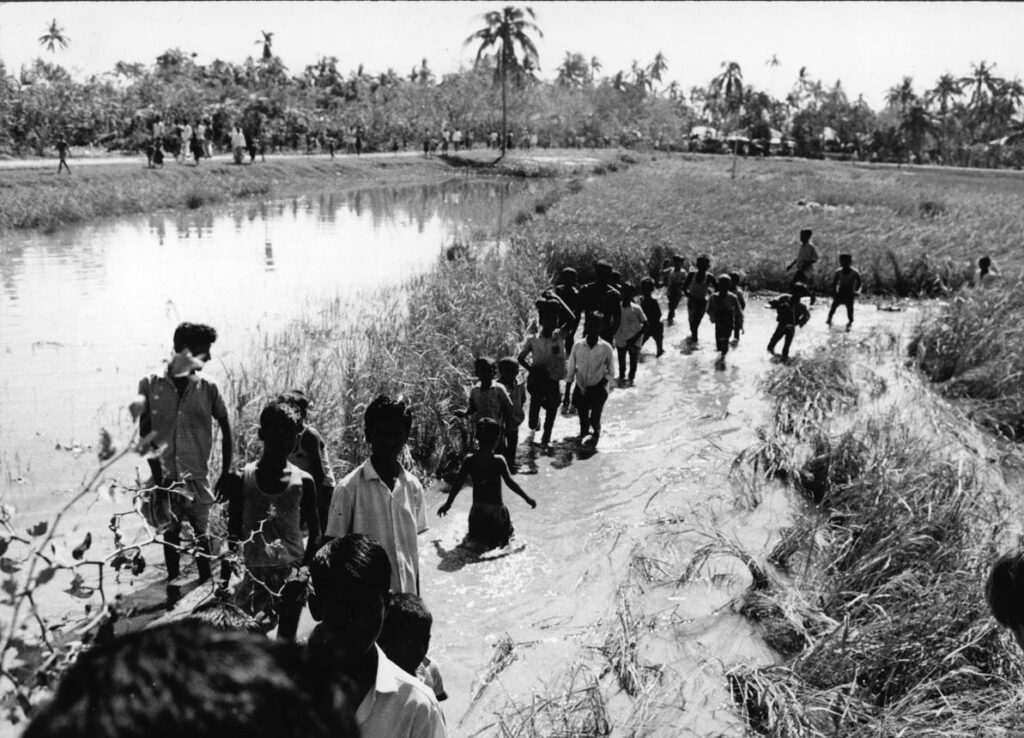
Year: 1970
Estimated deaths: 300,000–500,000
The Bhola cyclone generated a devastating storm surge that swept across low-lying coastal areas of what was then East Pakistan, now Bangladesh. Villages disappeared beneath the water, and hundreds of thousands of people died. It remains one of the deadliest tropical cyclones ever recorded.
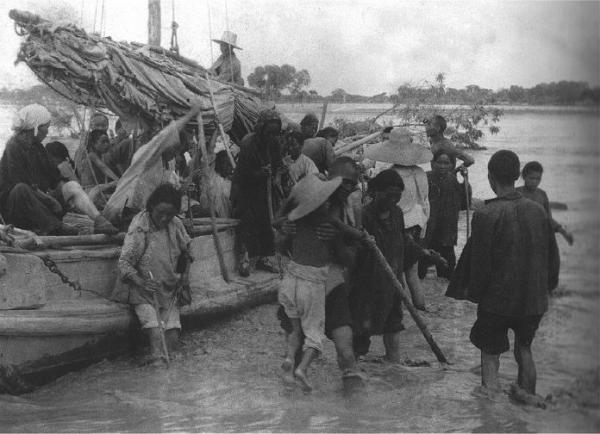
Year: 1975
Estimated deaths: 26,000–240,000
Typhoon Nina brought extraordinary rainfall to Henan Province, overwhelming the Banqiao Dam and dozens of other reservoirs. The resulting cascade of dam failures unleashed enormous volumes of water, destroying homes, infrastructure and entire communities. Estimates of the death toll vary considerably.
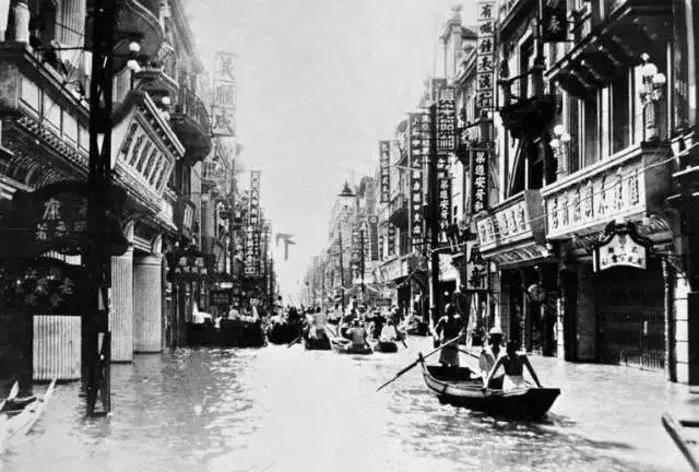
Year: 1935
Estimated deaths: about 145,000
Severe flooding along the Yangtze inundated large areas of central China. Homes and farmland were destroyed, while disease and food shortages worsened the humanitarian crisis.
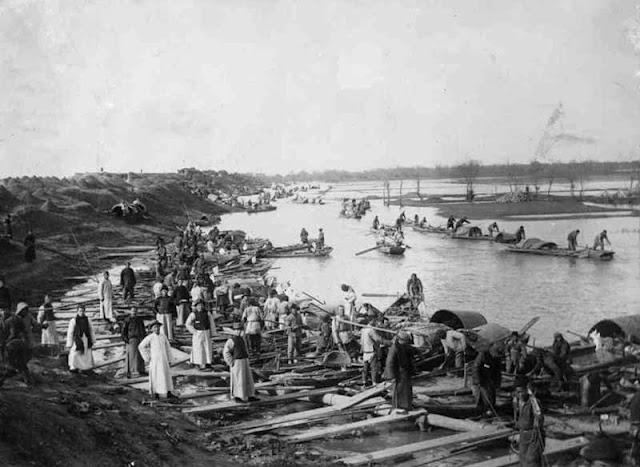
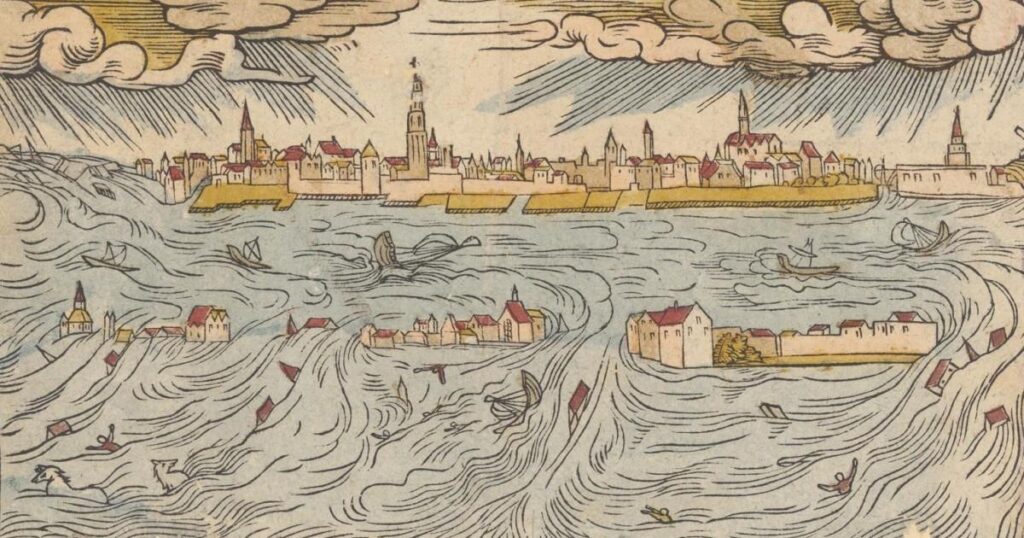
Year: 1530
Estimated deaths: 100,000+
A powerful North Sea storm surge struck the Low Countries on 5 November 1530. Large areas of Zeeland and surrounding regions were inundated, destroying settlements and claiming more than 100,000 lives according to historical estimates.
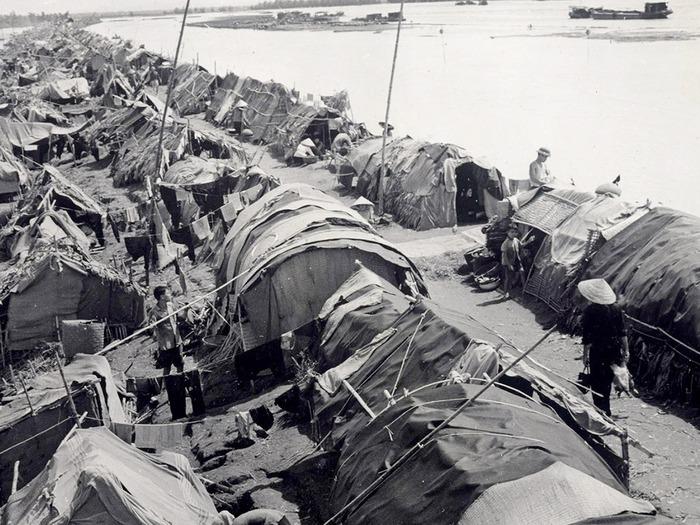
Year: 1971
Estimated deaths: about 100,000
Exceptionally heavy rainfall caused the Red River and surrounding waterways to rise dramatically. Hanoi and large parts of the Red River Delta were affected, with enormous damage to homes, farmland and infrastructure.
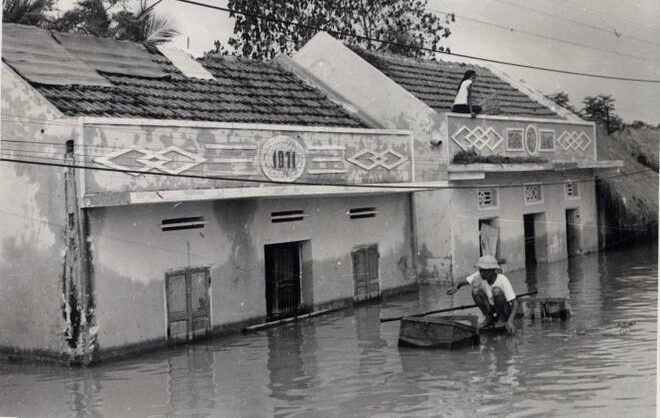
Year: 1911
Estimated deaths: about 100,000
The Yangtze overflowed after extreme rainfall, inundating communities across central China. The disaster occurred during a period when the country had limited flood-control infrastructure and weak emergency-response capacity.
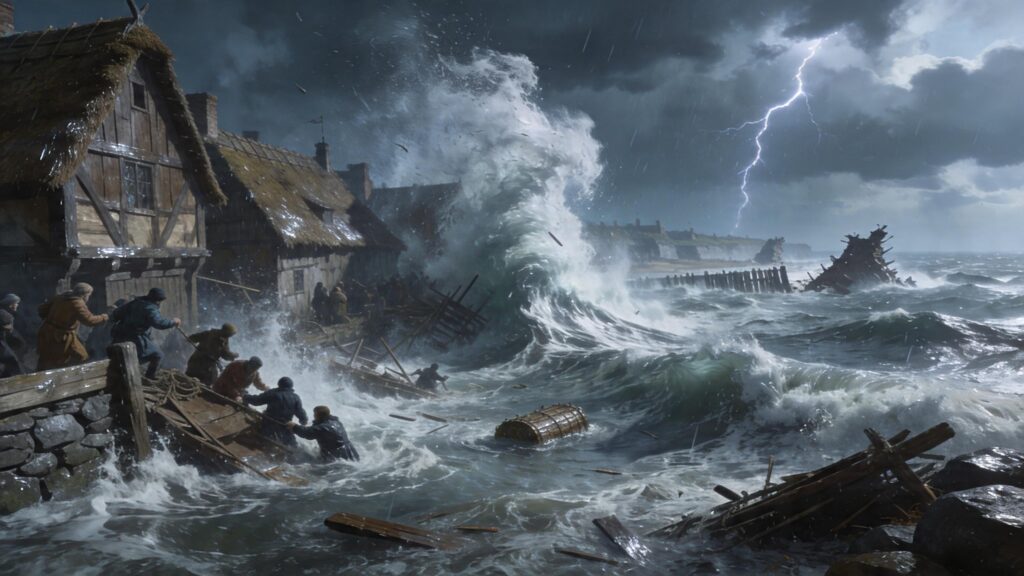
Year: 1099
Estimated deaths: up to 100,000
A catastrophic storm surge struck coastal areas around the North Sea. Parts of present-day England and the Netherlands were inundated, with medieval accounts describing extensive destruction along the coast. Historical estimates put the death toll as high as 100,000.
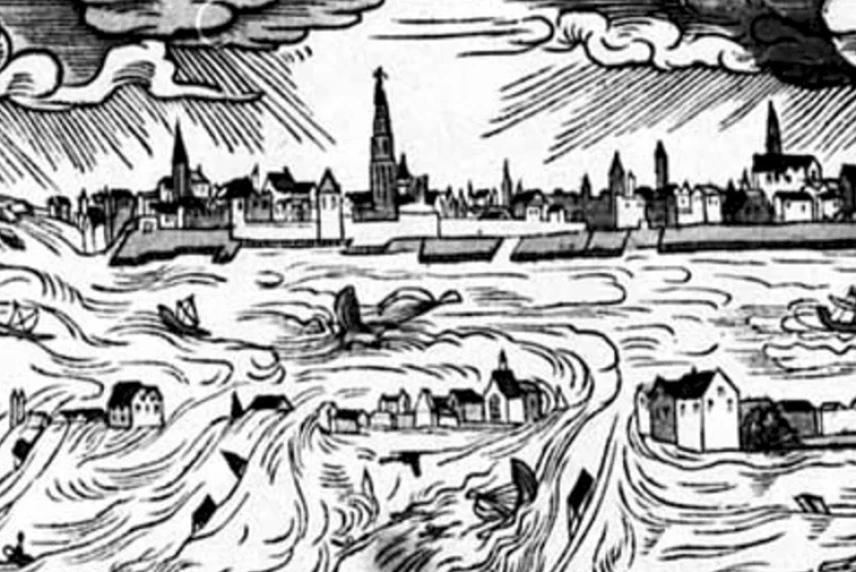
Year: 1287
Estimated deaths: 50,000–80,000
A massive storm surge struck the North Sea coast on St. Lucia’s Day. The flood destroyed coastal settlements and permanently altered parts of the Dutch coastline. It is considered one of Europe’s most devastating medieval floods.
Year: 1949
Estimated deaths: about 40,000
Severe flooding struck eastern Guatemala, destroying communities and leaving thousands dead. The disaster is particularly notable because it occurred before modern flood-warning and emergency-response systems were widely available.

Year: 1362
Estimated deaths: 25,000–40,000
Known as the Grote Mandrenke, or “Great Drowning of Men,” this enormous North Sea storm surge struck coastal areas of northern Europe. It reshaped coastlines and contributed to the creation or expansion of waterways and islands in the region.

Year: 1954
Estimated deaths: about 33,000
Months of exceptionally heavy rainfall caused the Yangtze to reach dangerous levels. Wuhan and surrounding areas were badly affected, with millions of people impacted and huge areas of farmland submerged.
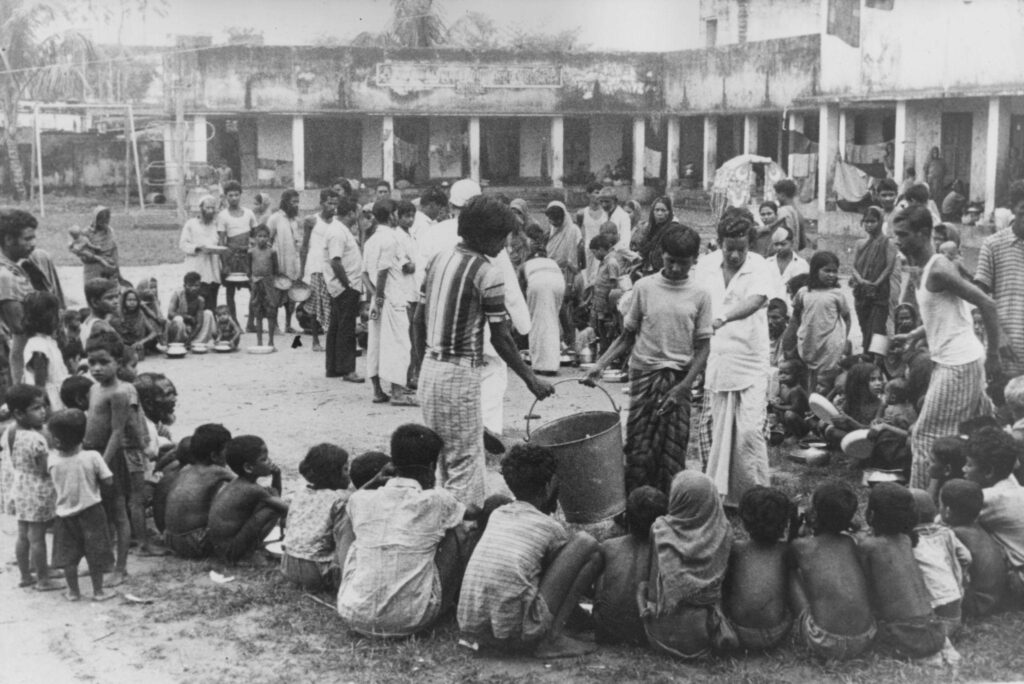
Year: 1974
Estimated deaths: 27,000–1.5 million
Exceptionally heavy monsoon rains caused widespread flooding across Bangladesh. The disaster destroyed crops and infrastructure and contributed to severe food shortages and disease. Because deaths from the subsequent famine and disease are sometimes included in estimates, reported death tolls vary enormously.