

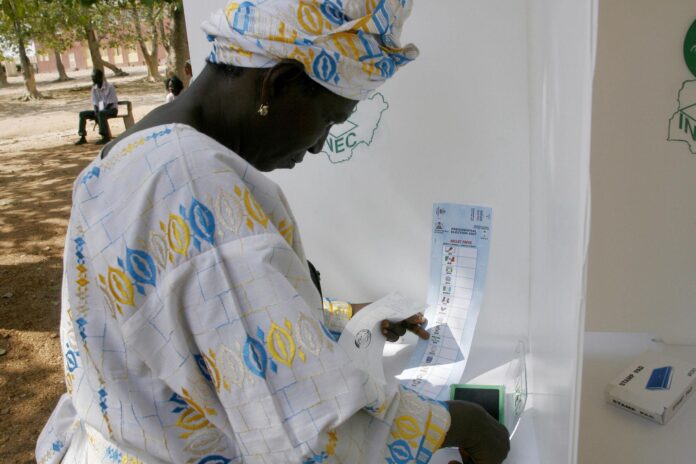
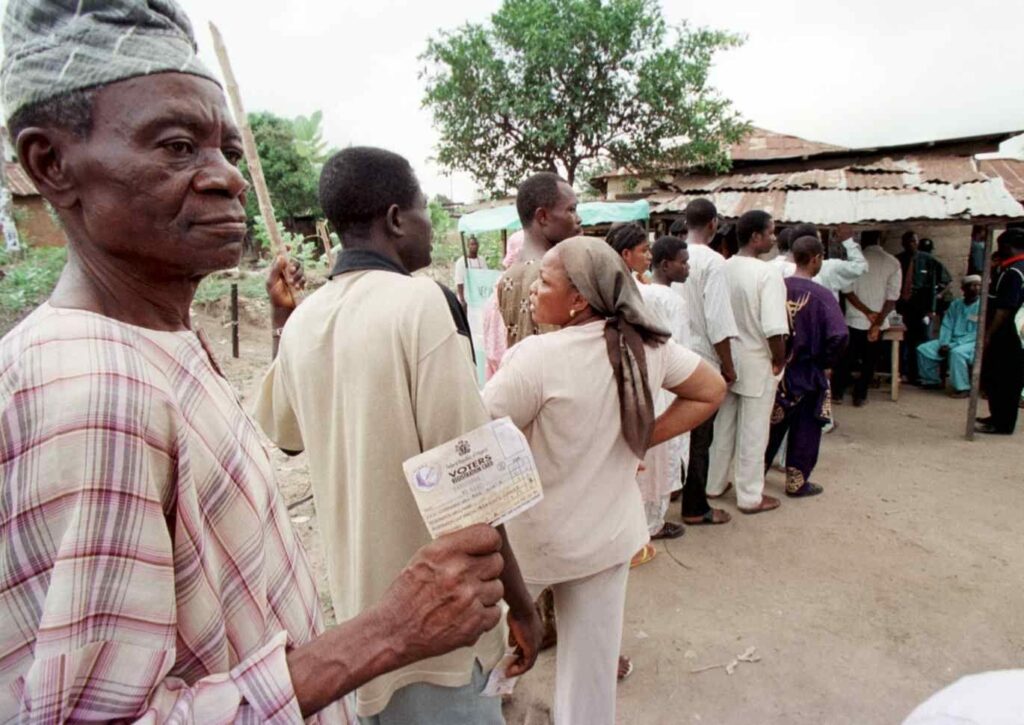
Nigeria conducted a widely praised presidential election between Moshood Kashimawo Abiola (SDP) and Bashir Tofa (NRC). It was generally regarded as the freest and fairest election in Nigeria’s history under military rule.
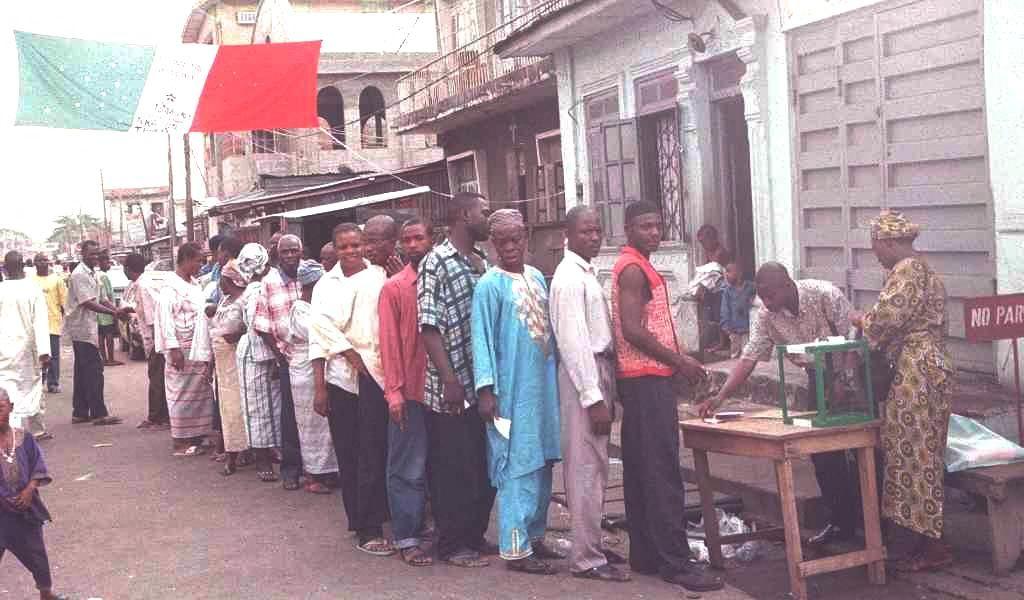
The election recorded high participation across ethnic and religious lines, with voters largely ignoring divisions, an unusual moment of national unity.
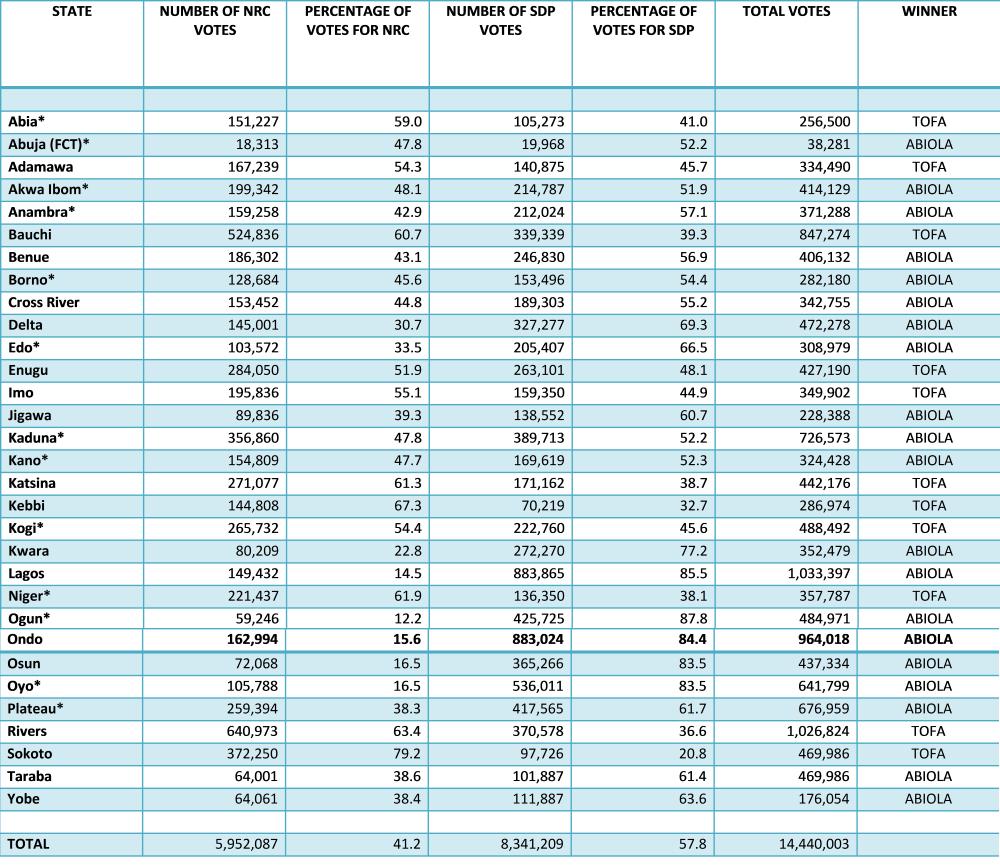
Preliminary results showed Abiola winning both a majority of the votes and the required geographical spread, positioning him as the likely president-elect.
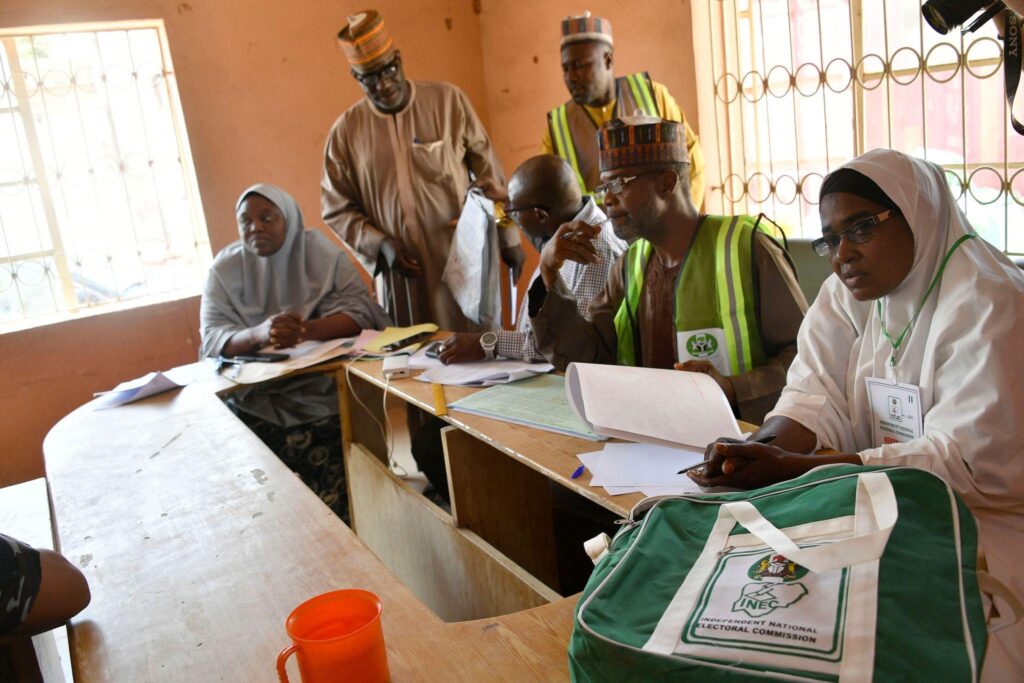
Results were being officially collated and released, and Abiola had already secured a decisive lead in many states before the process was halted.
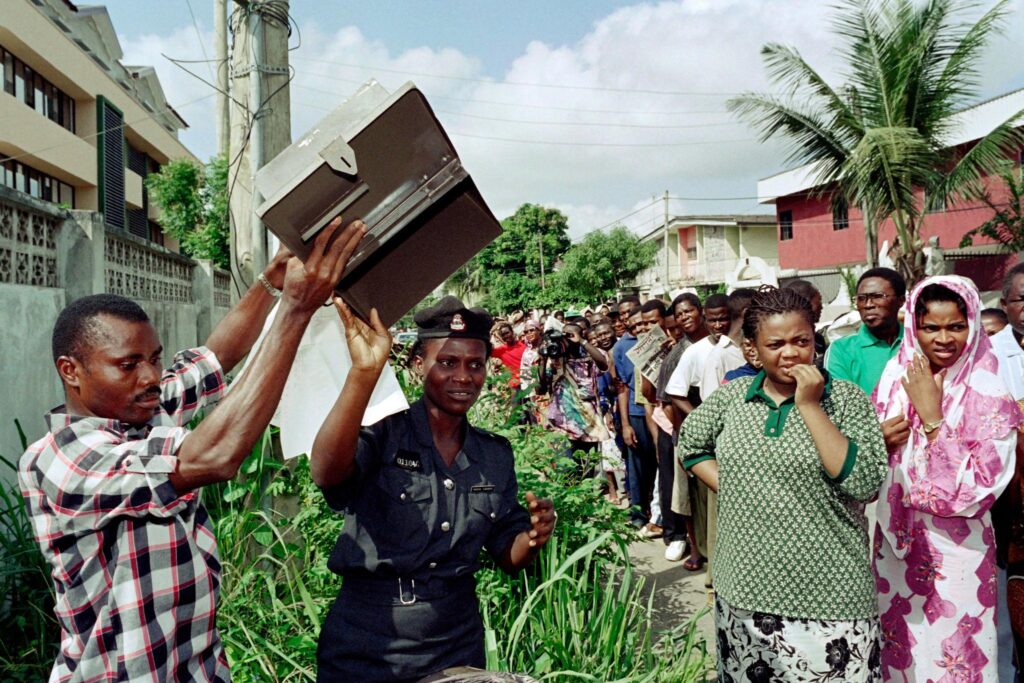
Before the final declaration, the military government abruptly halted the announcement of the results, creating nationwide confusion and tension.
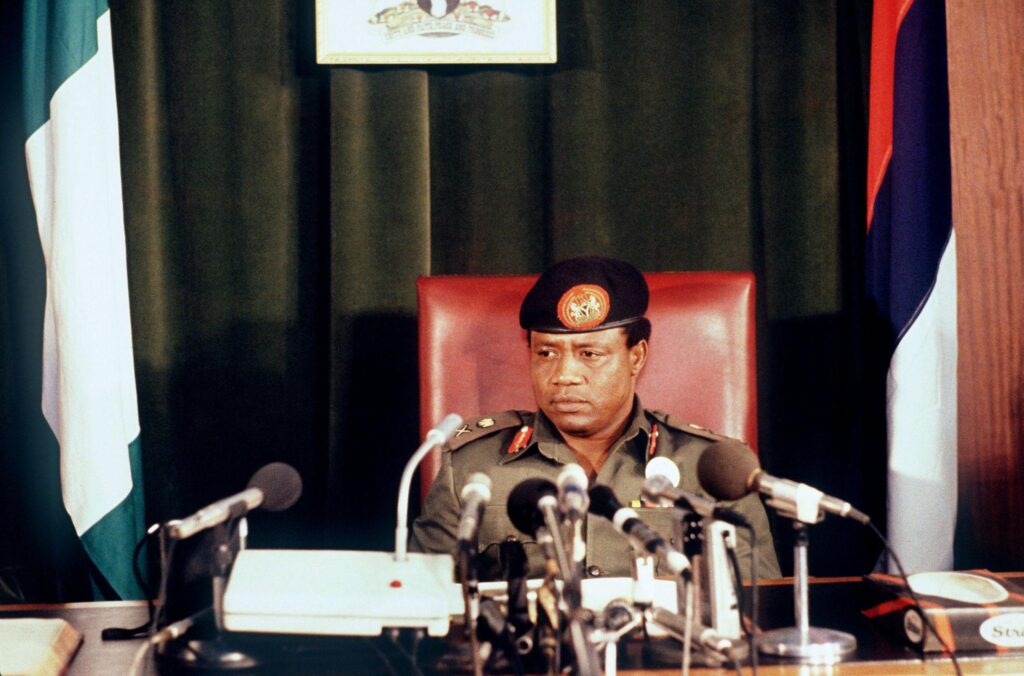
Days after the vote, military ruler Ibrahim Babangida officially annulled the entire election, citing alleged irregularities and security concerns.
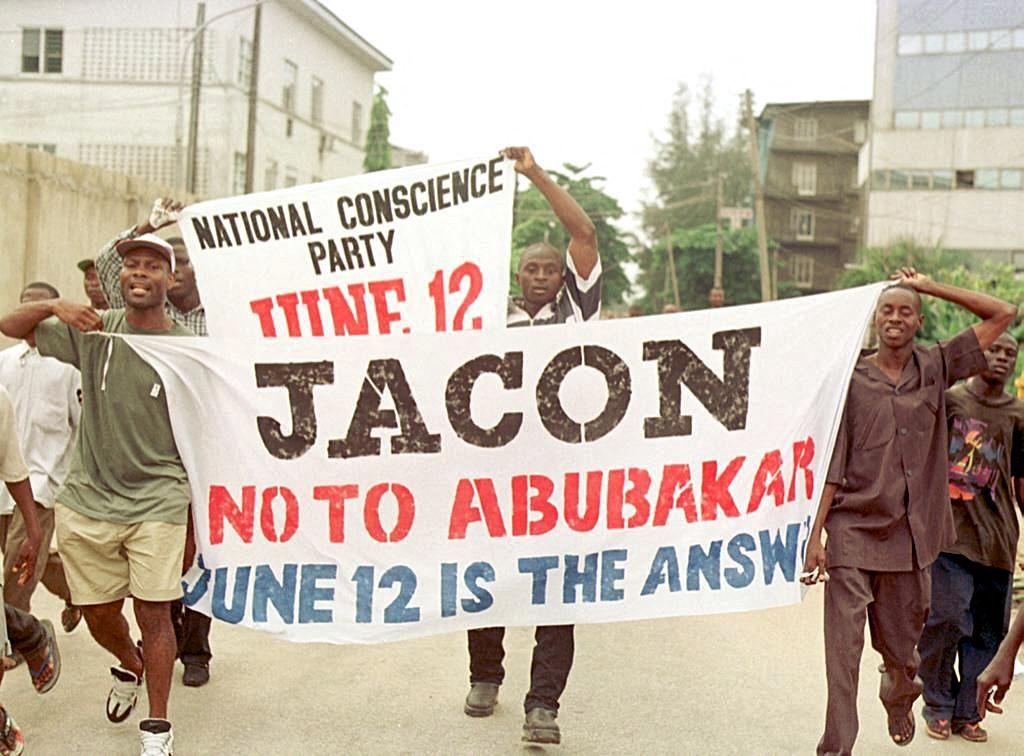
The annulment triggered mass protests, strikes, and civil unrest, especially in southwestern Nigeria, as citizens demanded recognition of Abiola’s victory.
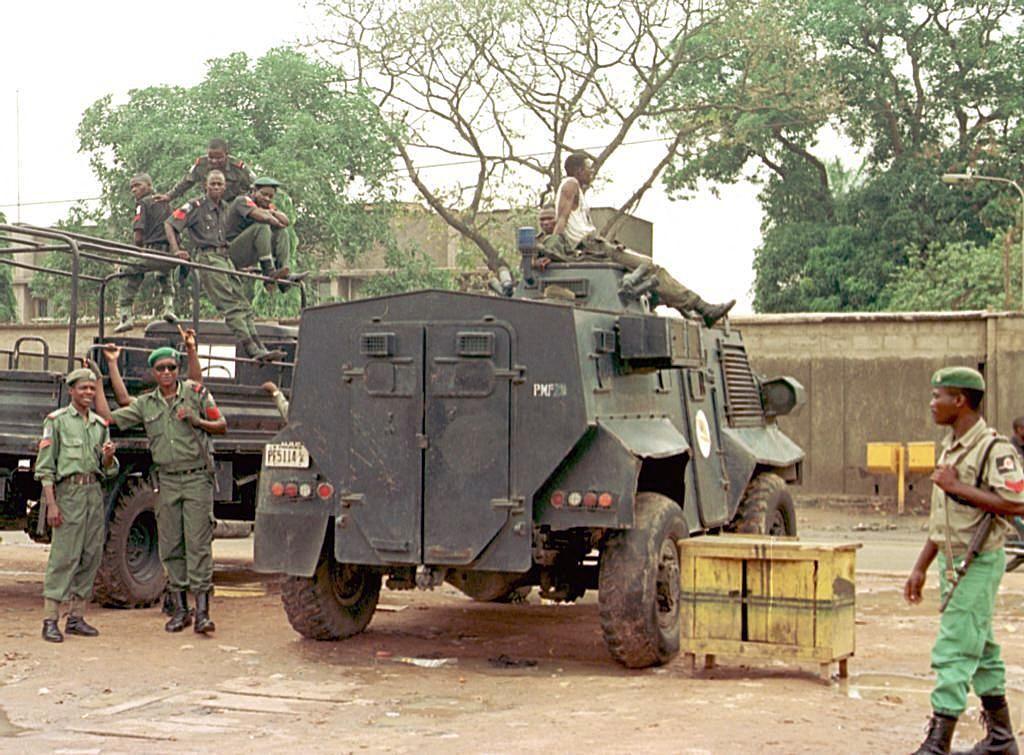
Security forces arrested activists, shut down media houses, and suppressed protests, leading to a tense political atmosphere nationwide.
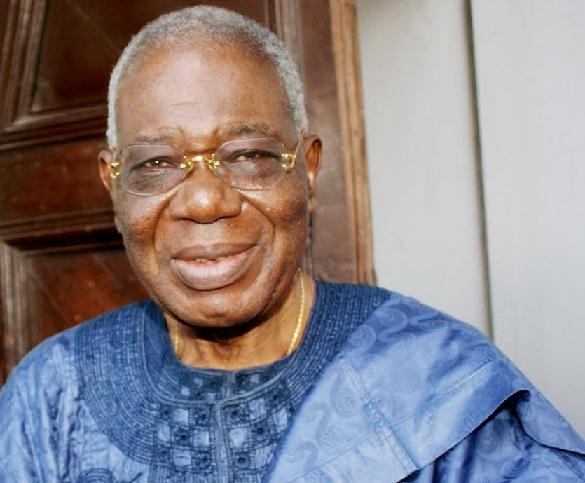
Amid pressure, Babangida “stepped aside” on August 26, 1993, handing power to an Interim National Government led by Ernest Shonekan.
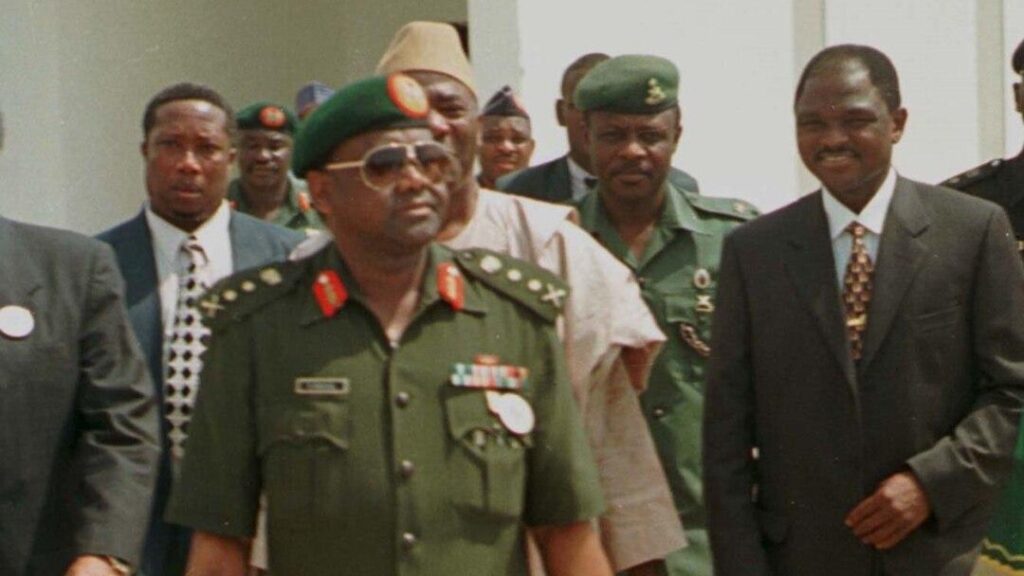
On November 17, 1993, General Sani Abacha overthrew the interim government, ending the transition process and returning Nigeria fully to military rule.
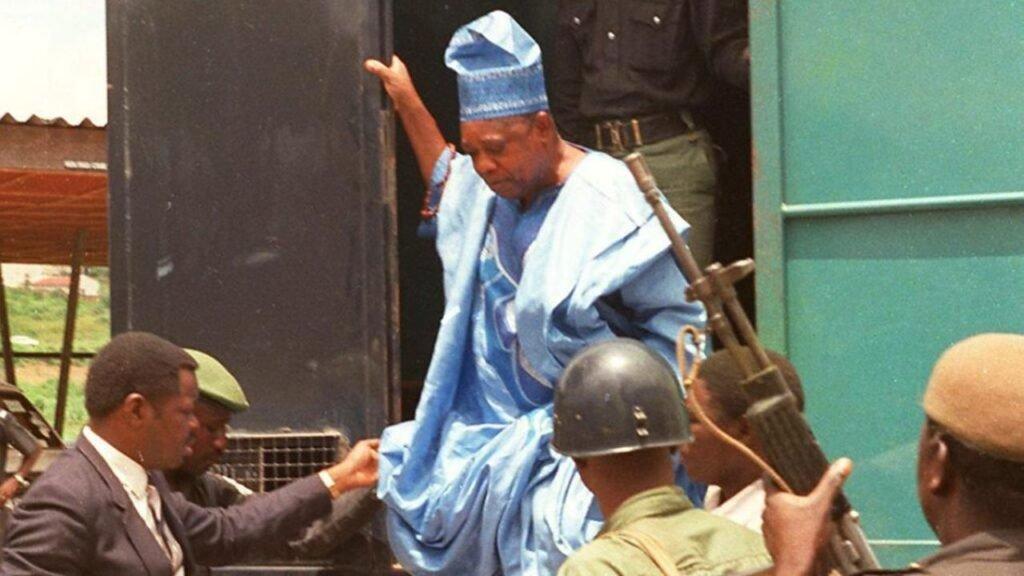
In 1994, the presumed winner of the election, MKO Abiola, declared himself the rightful president in Lagos at Epetedo, escalating the political crisis and directly challenging the military government.
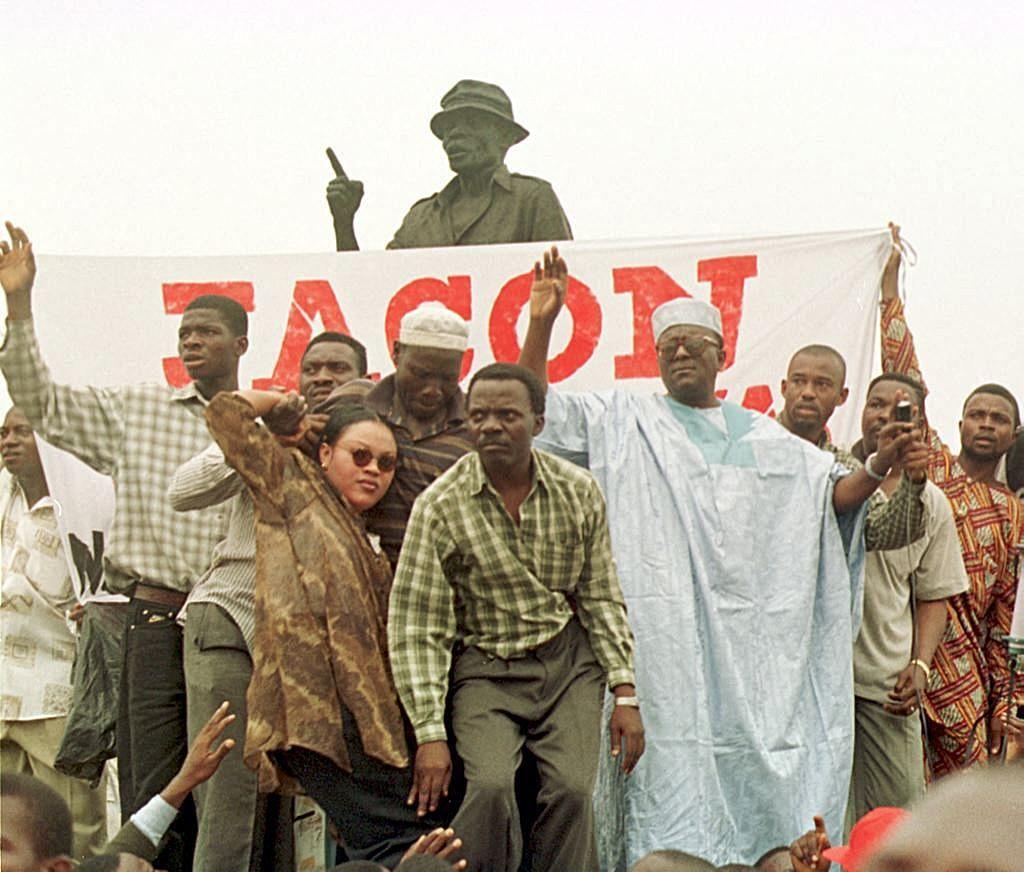
Shortly after his declaration, Abiola was arrested and detained by the military government under General Sani Abacha, where he remained until his death in custody in 1998, becoming a global symbol of democratic struggle.


