



Around 40% of twins are reported to develop a private form of communication in early childhood, often using simplified sounds, gestures, or invented words. This typically fades as their language skills expand through normal development and social interaction.
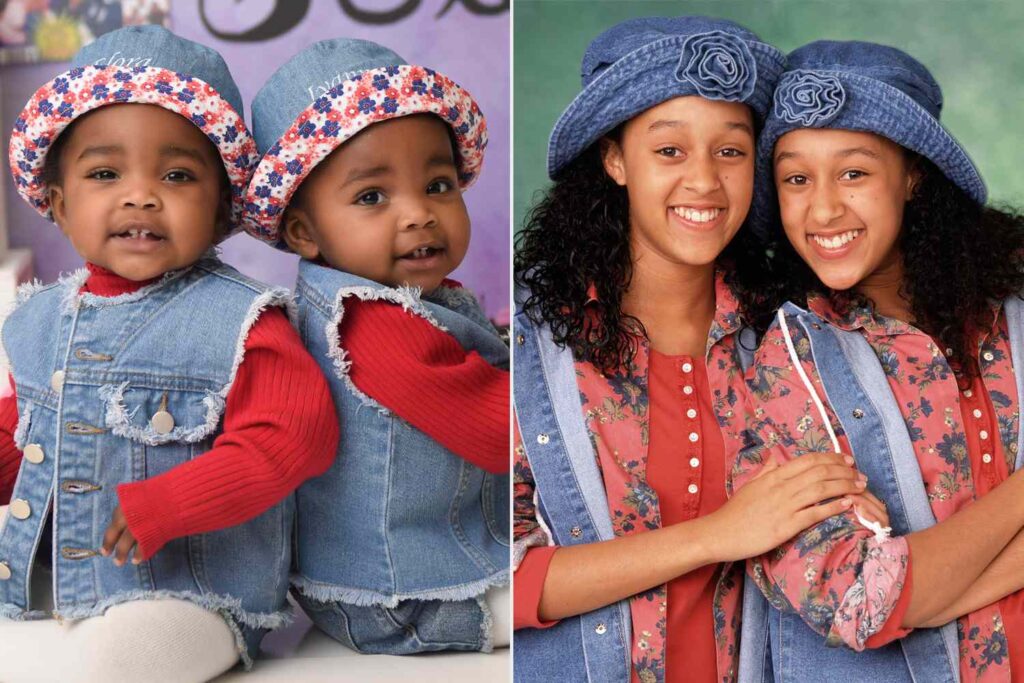
Identical twins (about 1 in 3 twin births): Formed when a single fertilised egg splits into two embryos.
Fraternal twins (about 2 in 3 twin births): Occur when two separate eggs are fertilised by two different sperm cells.
Mirror twins (rare subset): Occur in some identical twins (about 1 in 4 cases), showing reversed traits such as opposite handedness or mirrored birthmarks.

About 20% of twins are left-handed, compared to roughly 10% in the general population. Researchers believe this may be linked to subtle differences in early brain development during pregnancy.

Roughly 1 in 8 pregnancies begin as twins, but only about 1 in 70 result in live twin births. This is largely due to “vanishing twin syndrome,” where one embryo stops developing early and is absorbed by the mother or surviving twin.

Ultrasound studies show that by around 14 weeks of gestation, twins may already be reaching out, touching, and responding to each other’s movements, suggesting early stages of social bonding.

Although identical twins share the same DNA, fingerprints differ because they are shaped by random pressure, movement, and contact in the womb between weeks 10 and 24 of pregnancy, making each pattern completely unique.

Belly buttons are scar tissue formed after the umbilical cord is cut. Because healing varies slightly due to growth patterns and positioning, identical twins often develop visibly different belly button shapes.

Higher levels of insulin-like growth factor (IGF), more common in taller women, may increase the likelihood of releasing more than one egg during ovulation. This raises the chance of fraternal twins by an estimated 20–30% compared to shorter women.

On average, twins are delivered about 17 minutes apart, though the interval can range from minutes to several hours. In rare cases, twins may even be born on different days.

Historical research, including long-term data from the University of Utah, suggests that mothers of twins born between 1800 and 1970 tended to have slightly longer lifespans than mothers of single births, possibly due to underlying biological advantages.

Women aged 35 and above have a higher chance of conceiving twins naturally, as hormonal changes increase the likelihood of releasing multiple eggs during ovulation.

West Africa (highest rates):
Benin: ~27.9 per 1,000 births (2.8%)
Nigeria: ~19 per 1,000 births (1.9%)
Asia & Latin America (lowest rates): often below 8–10 per 1,000 births (0.8–1%)
These differences are influenced by genetics, maternal age patterns, and environmental factors.


