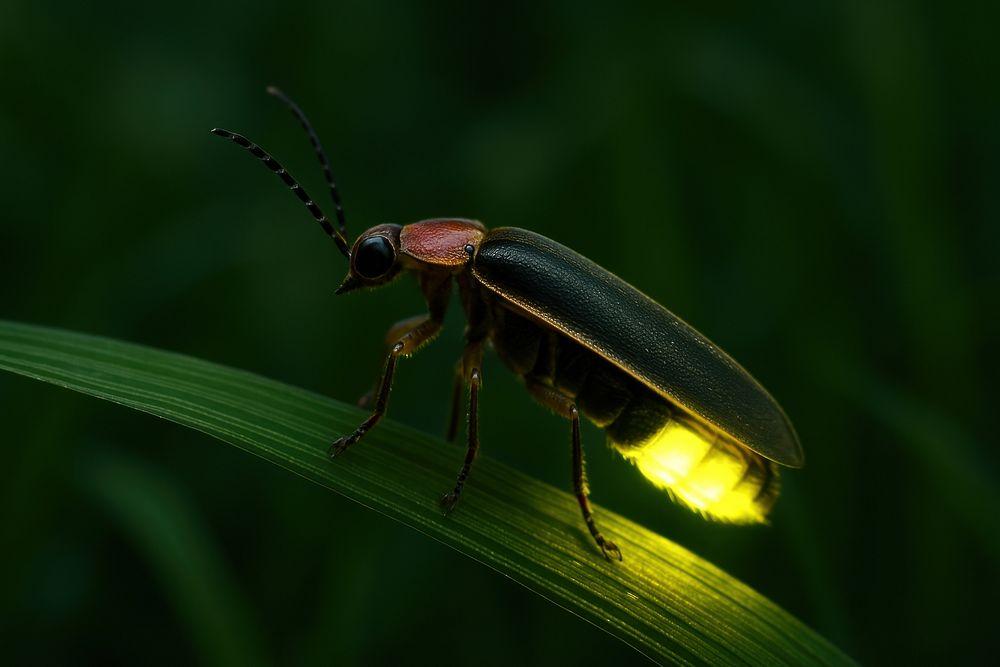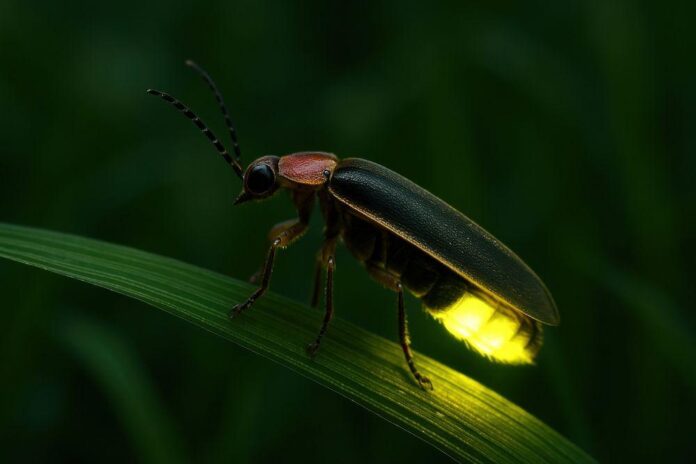
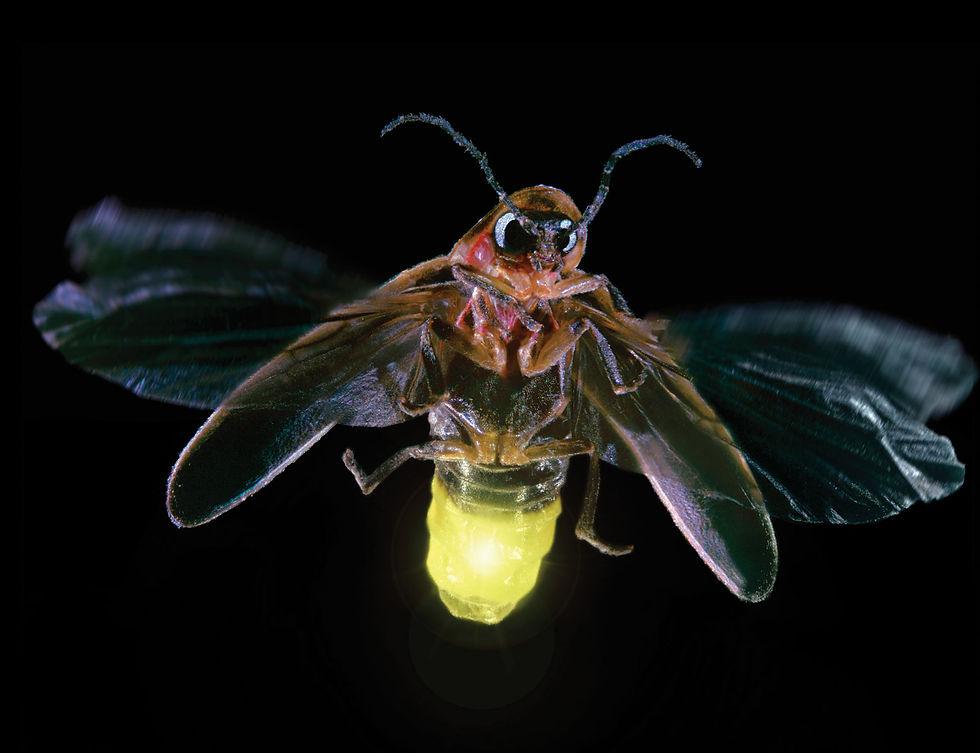
Fireflies produce light through a chemical reaction involving a substance called luciferin, an enzyme called luciferase, oxygen and energy supplied by the cell. This process is remarkably efficient, producing very little heat.
Unlike an ordinary light bulb, which wastes much of its energy as heat, a firefly’s glow is often called cold light. This allows the insect to flash without burning itself.
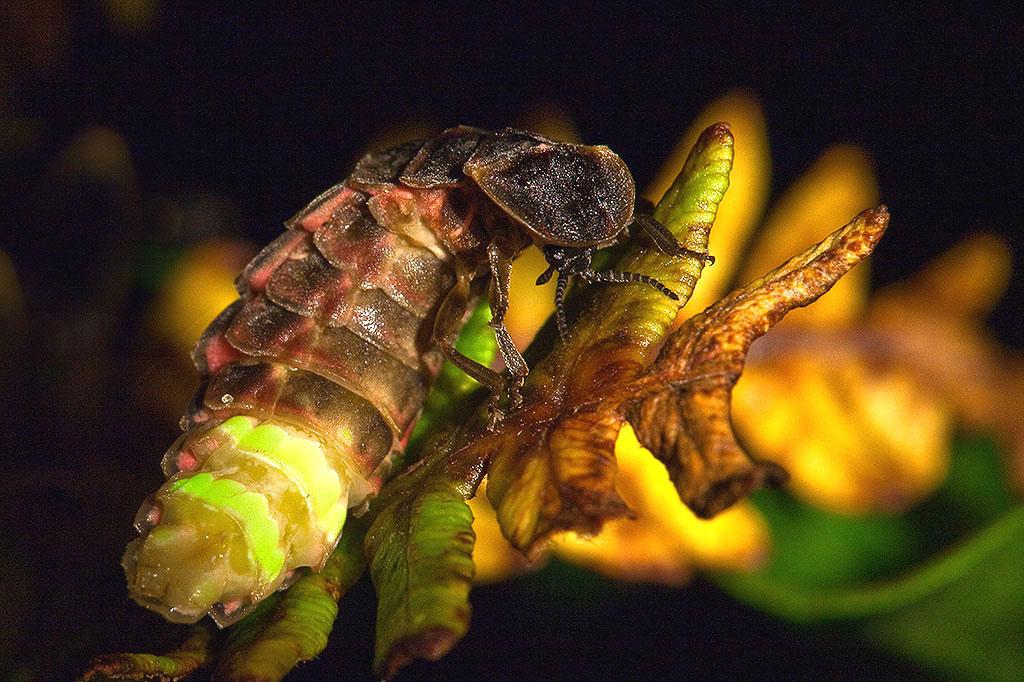
Despite their name, not every firefly flies. In some species, adult females have reduced wings or are entirely wingless and resemble larvae.
Some firefly species also produce little or no visible light as adults. Others communicate using chemical signals rather than the familiar flashing displays.
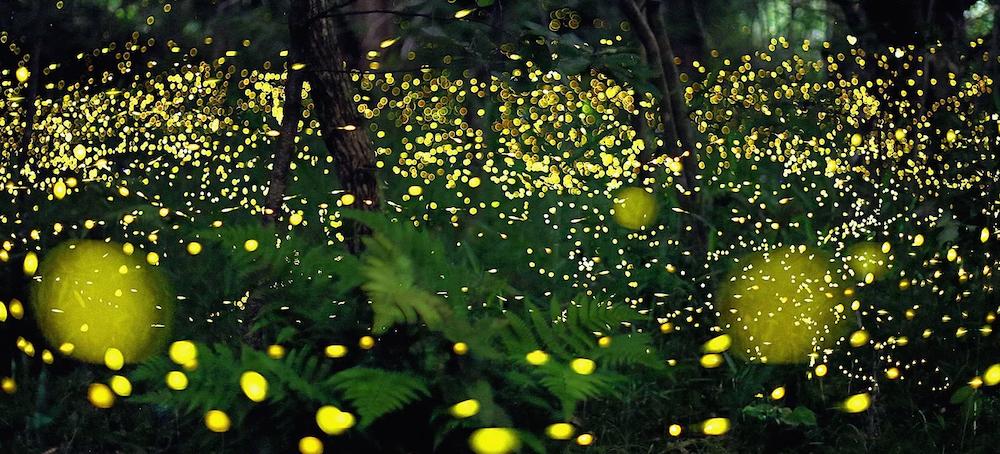
Fireflies do not flash randomly. Many species have distinctive patterns, timing and colours that help individuals recognise potential mates of their own species.
A female may respond to a male’s flash with a carefully timed signal. The interval between the male’s flash and her response can be crucial to their communication.
Think of it as a biological code written in light.
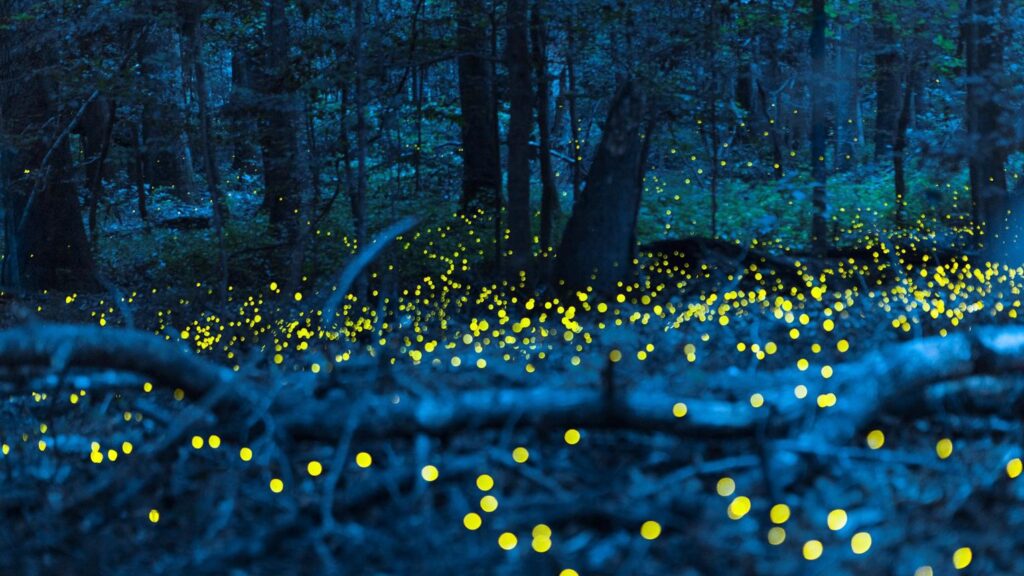
In certain species, large groups of male fireflies flash almost simultaneously, creating the spectacular effect of a forest blinking in unison.
Scientists have observed this behaviour in places such as the Great Smoky Mountains in the United States. How synchronisation develops involves interactions between individual insects and their neighbours.
It is one of the most extraordinary light displays produced by insects.
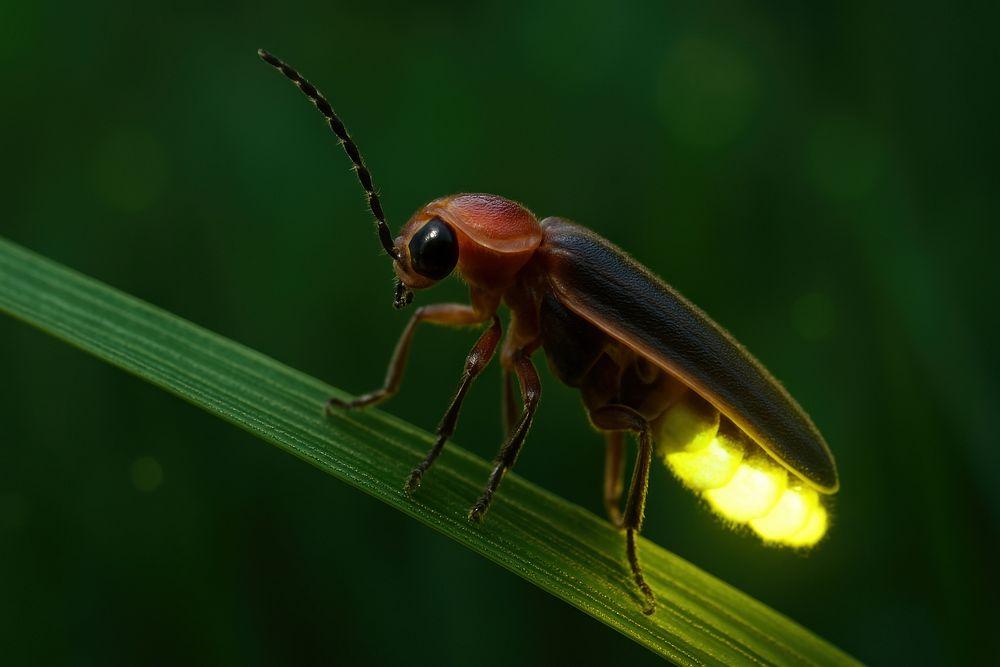
Fireflies may look delicate, but some are skilled hunters. Their larvae feed on small animals such as snails, slugs and worms, depending on the species.
They can use specialised mouthparts to deliver digestive substances that help break down their prey before consuming it.
So, the glowing insect you admire at night may have spent much of its earlier life hunting other creatures.
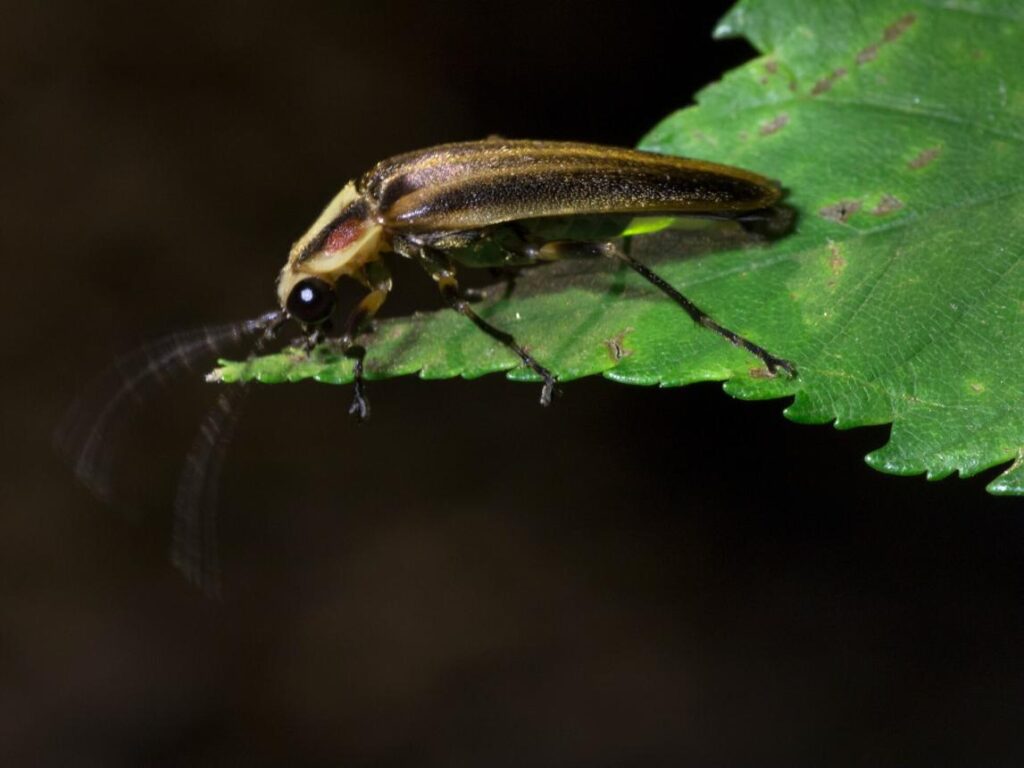
Certain female fireflies in the genus Photuris can imitate the mating signals of other firefly species.
When a male approaches, expecting to find a mate, the female may capture and eat him.
This behaviour is known as aggressive mimicry. In some cases, the female also obtains defensive chemicals from her prey, which may help protect her against predators.
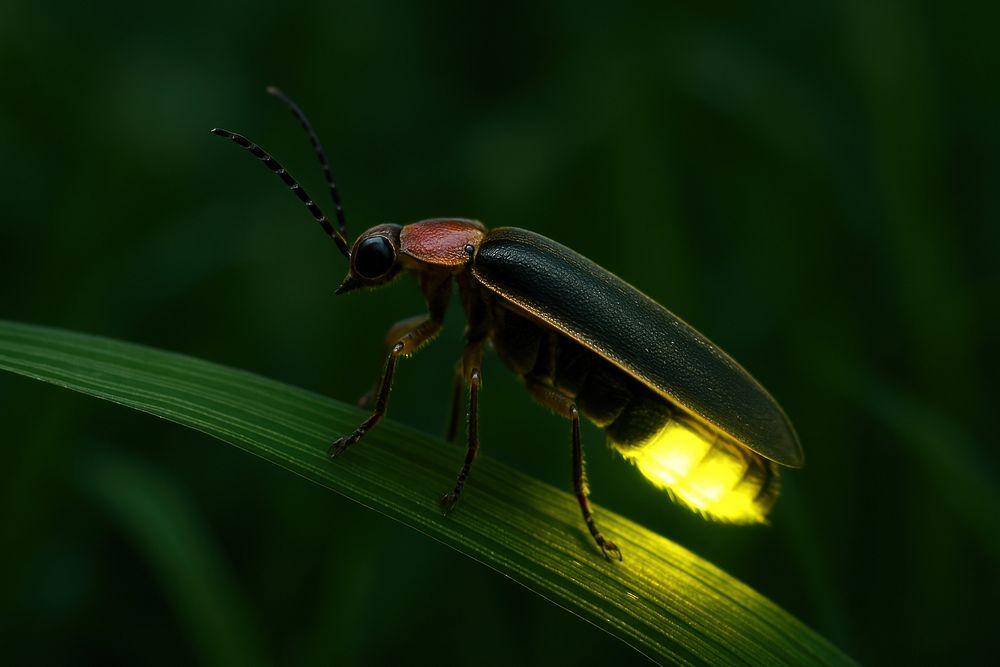
A firefly’s light is not only useful for finding a mate. In some species, it also serves as a warning to hungry predators.
Fireflies can contain defensive chemicals called lucibufagins, which can be unpleasant or toxic to certain animals.
The flashing light may signal that the insect is not a good meal. Some predators learn to associate the glow with an unpleasant experience.
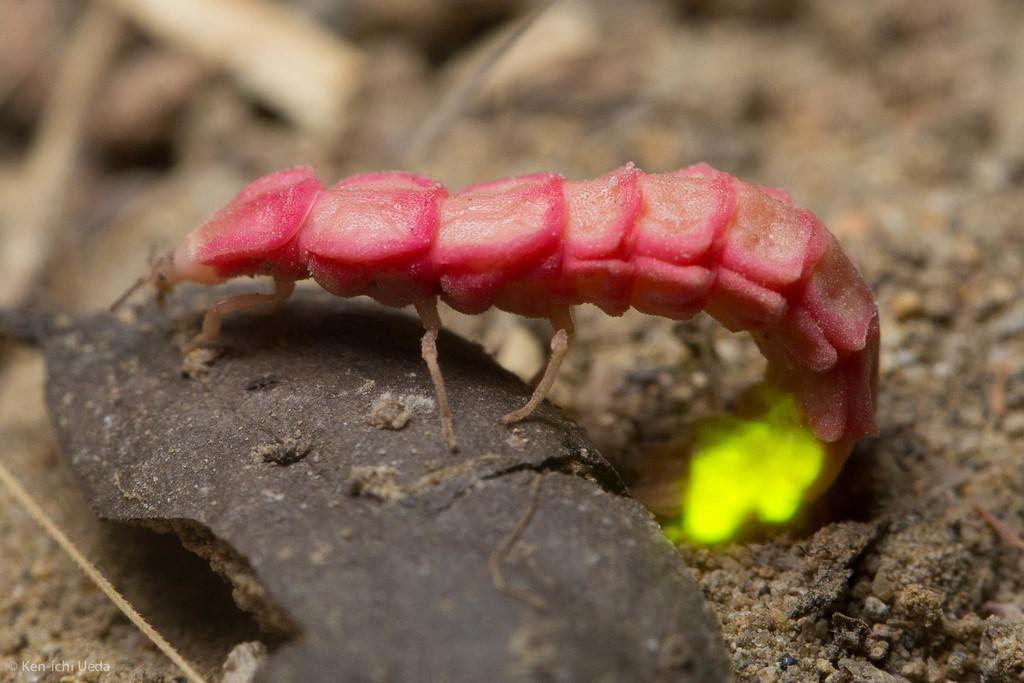
The glowing adult stage is only a small part of many fireflies’ lives.
Depending on the species, fireflies may spend months or even a few years as larvae, living in soil, leaf litter or damp habitats while feeding and growing.
Some adults survive for only a few weeks. During that short period, their main priority is often reproduction.
That means the insect people admire for its brief nighttime display may have spent a long time preparing for it.
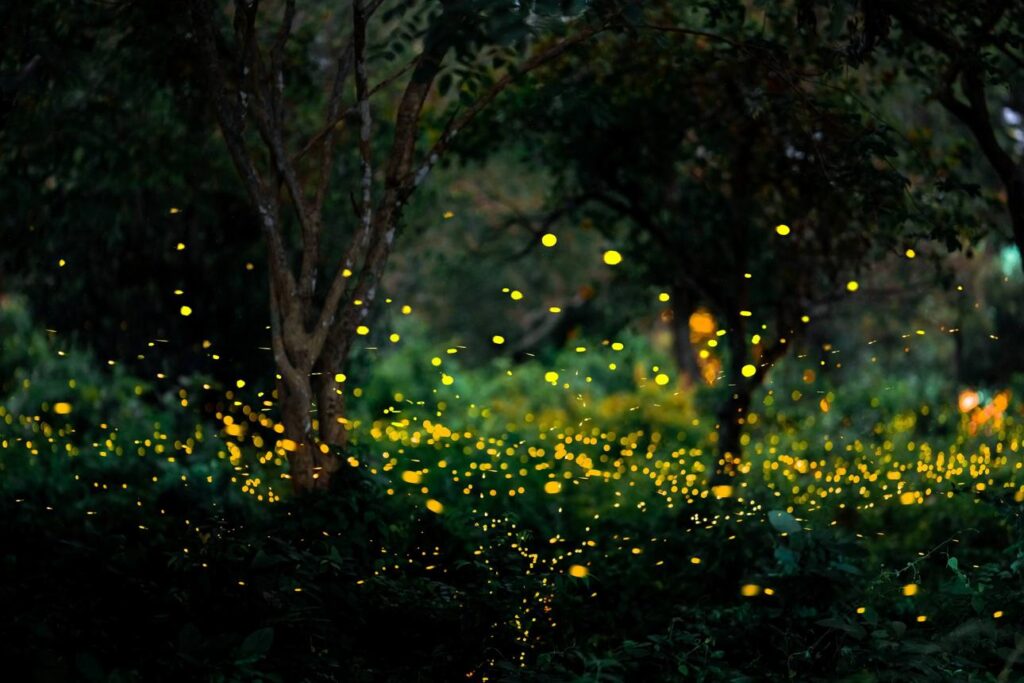
Streetlights, security lights and brightly illuminated buildings can make it harder for some fireflies to see or recognise one another’s mating signals.
Light pollution can therefore reduce opportunities for successful mating, although the effects vary among species.
Habitat destruction, pesticides and the loss of damp, sheltered environments can also threaten firefly populations.
A simple way to help: switch off unnecessary outdoor lights at night and preserve natural vegetation where possible.
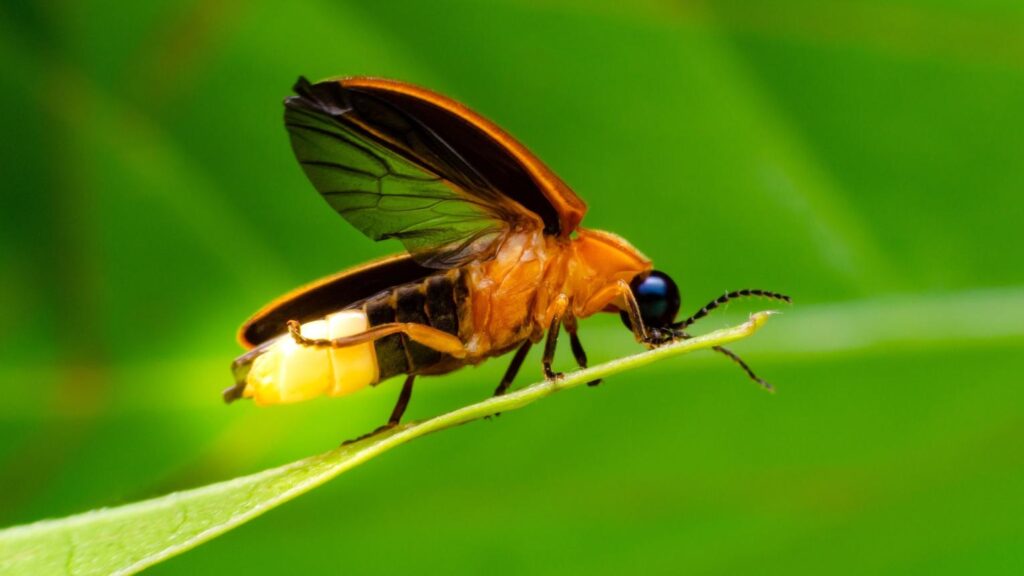
Despite their common name, fireflies belong to the beetle order Coleoptera, not the true flies in the order Diptera.
They belong to the family Lampyridae, which contains thousands of described species worldwide.
Their relatives include glow-worms and other beetles capable of producing light. The name “firefly” is simply a popular name for these remarkable insects.