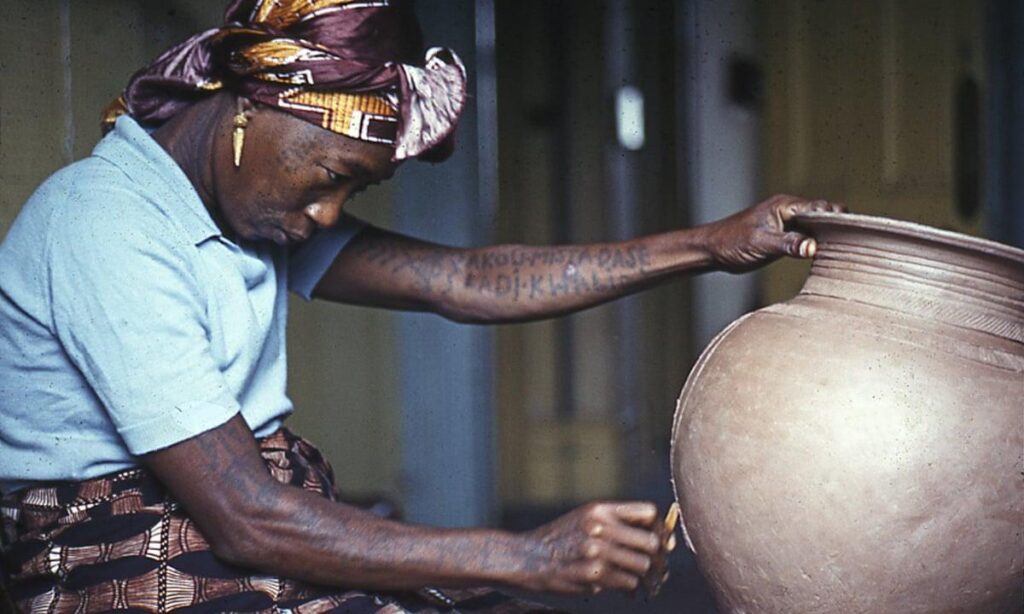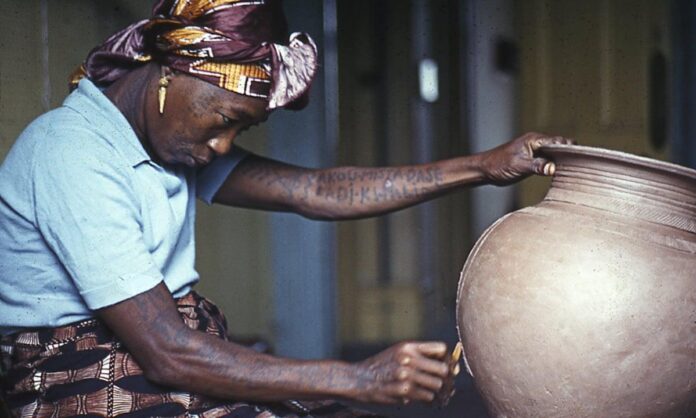
Ladi Dosei Kwali was born around 1925 in the village of Kwali, in the Gwari region of present-day Federal Capital Territory, Abuja. She learnt pottery-making from her aunt during childhood and developed exceptional skills in shaping and decorating clay pots.
She was born in Kwali, a community renowned for its pottery tradition. Her name, Ladi, is also associated with being born on a Sunday, while Kwali identifies her village of origin.
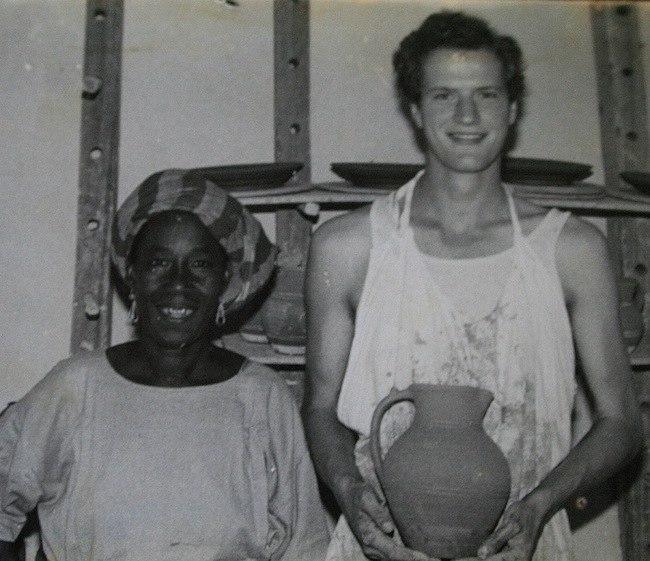
Before joining the Abuja Pottery Training Centre, Kwali had already established herself as an exceptional traditional potter. Her works were so highly regarded that the Emir of Abuja, Alhaji Suleiman Barau, collected and displayed them in his palace.
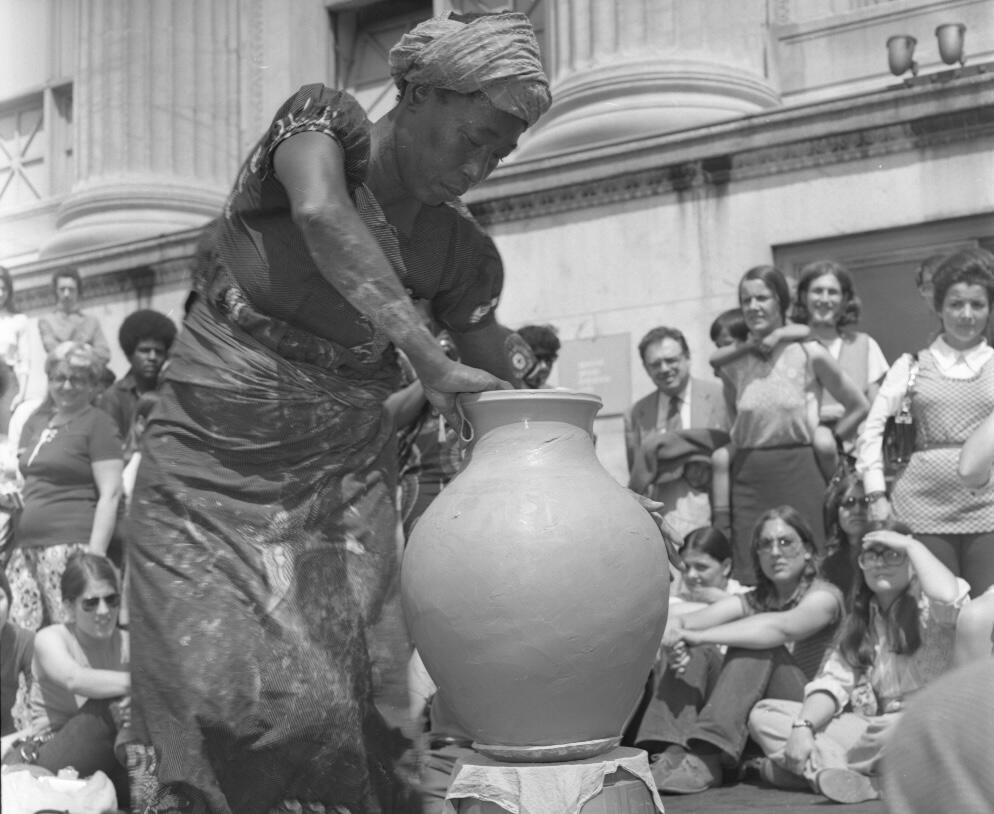
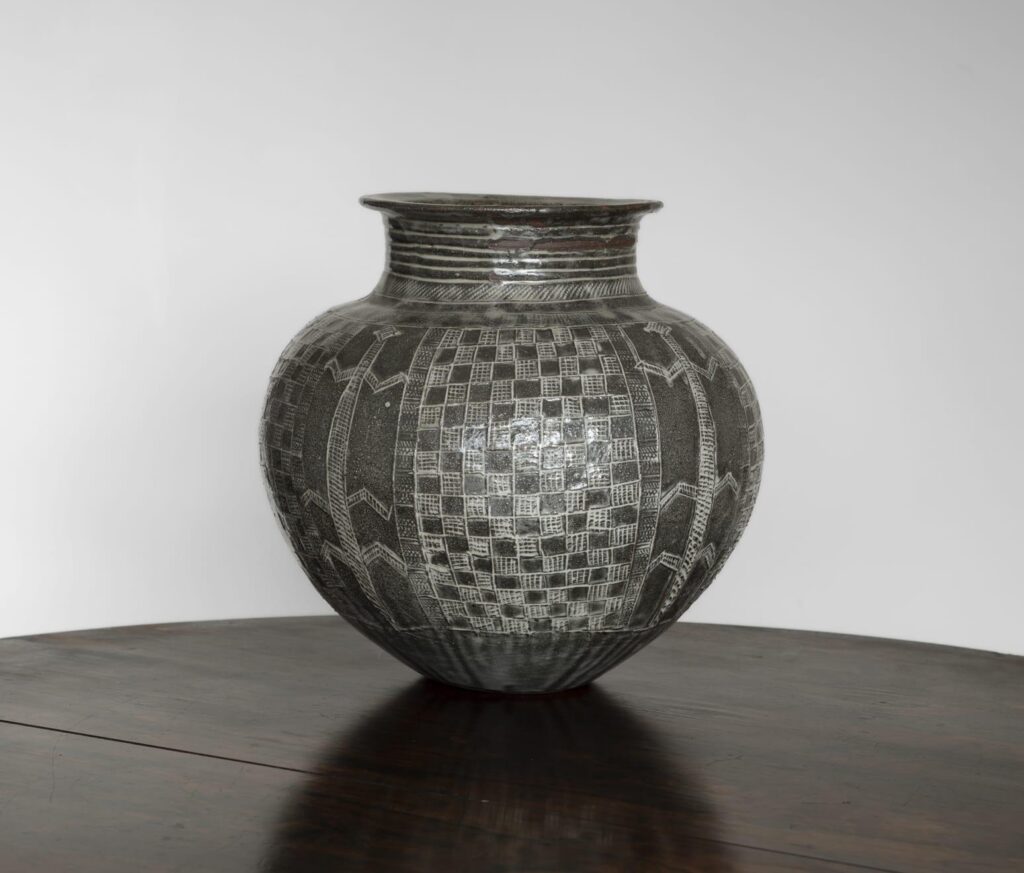
Kwali’s pottery was distinctive for its intricate decorations inspired by nature and her cultural environment.
She incorporated images of lizards, snakes, crocodiles, scorpions, birds and fish into her pots, alongside geometric patterns. These decorations helped distinguish her work from ordinary household pottery.
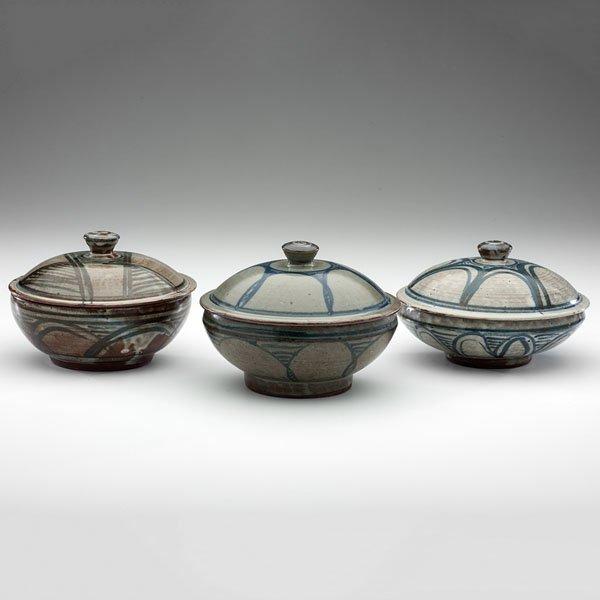
In 1954, Kwali joined the Abuja Pottery Training Centre as its first and only female potter. She subsequently learnt advanced techniques, including wheel-throwing, glazing and high-temperature kiln firing, which expanded her artistic abilities.
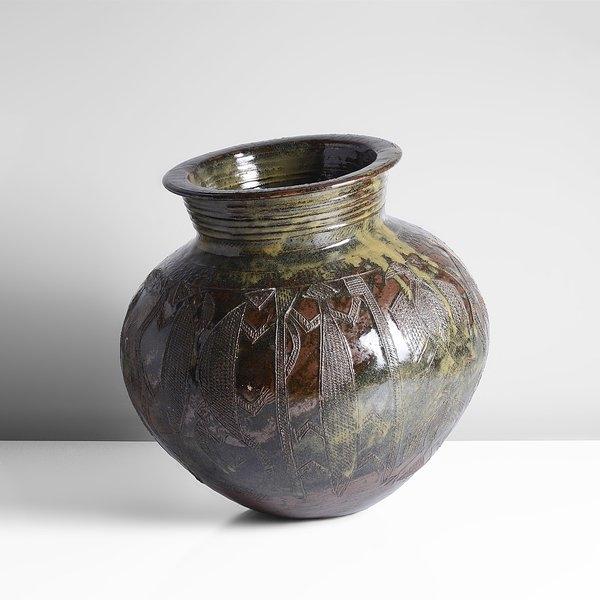
Kwali’s traditional pots were decorated with intricate designs inspired by nature. Her distinctive patterns featured lizards, snakes, scorpions, birds, fish and other creatures, alongside geometric shapes. She often used incisions to create these decorations on clay surfaces.
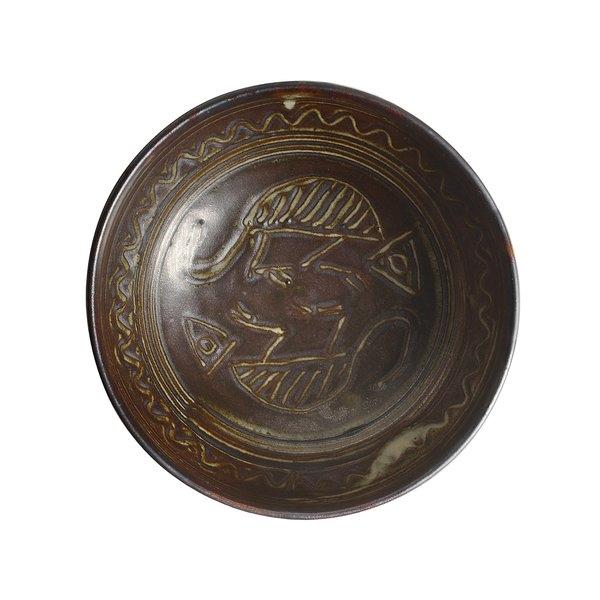
Rather than abandon the traditional methods she learnt as a child, Kwali combined hand-built Gwari pottery techniques with Western studio pottery methods.
She continued shaping pots by hand while incorporating modern glazing and high-temperature firing techniques. This distinctive combination became one of the defining features of her work.
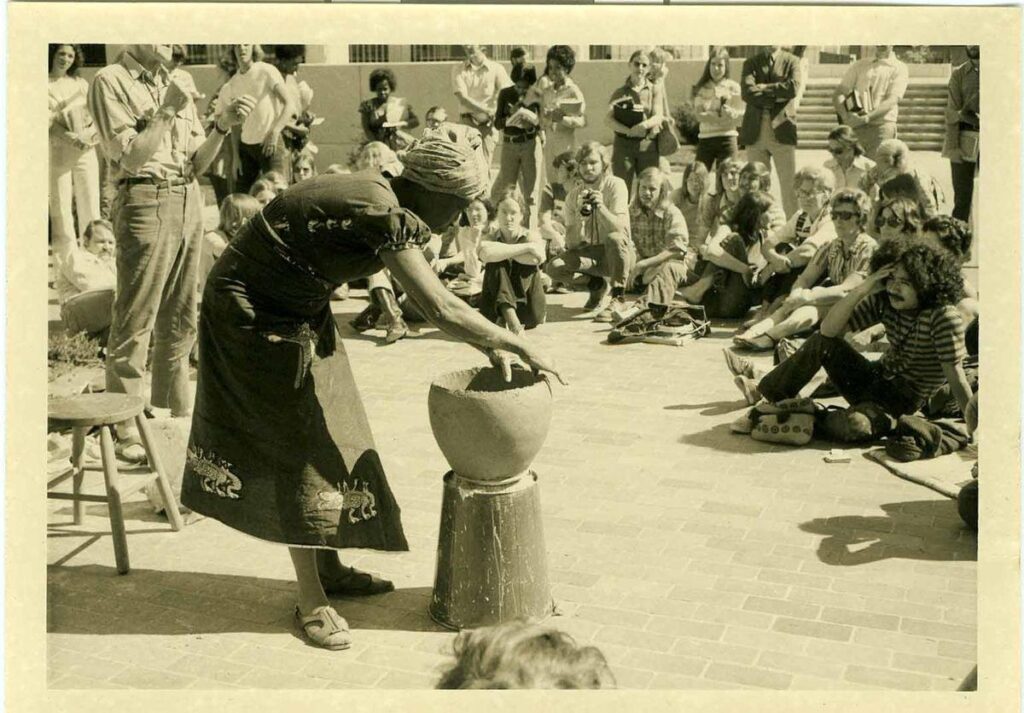
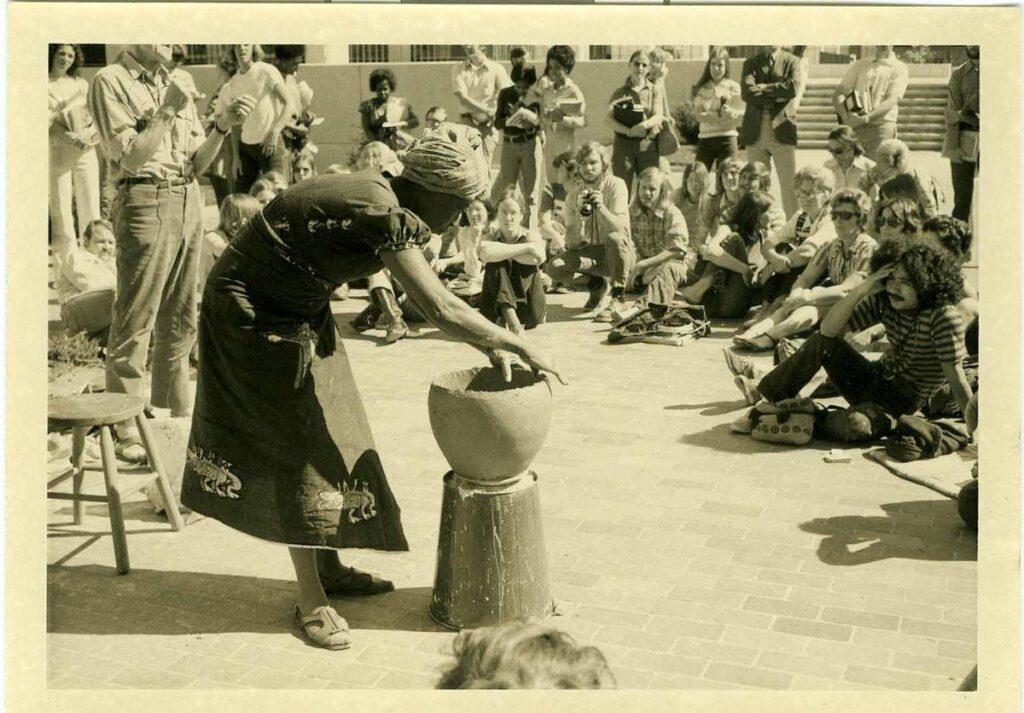
Kwali’s pottery gained international recognition, with exhibitions in London and other European cities, as well as the United States. She also travelled internationally to demonstrate her pottery-making techniques, helping introduce audiences abroad to Nigerian artistic traditions.
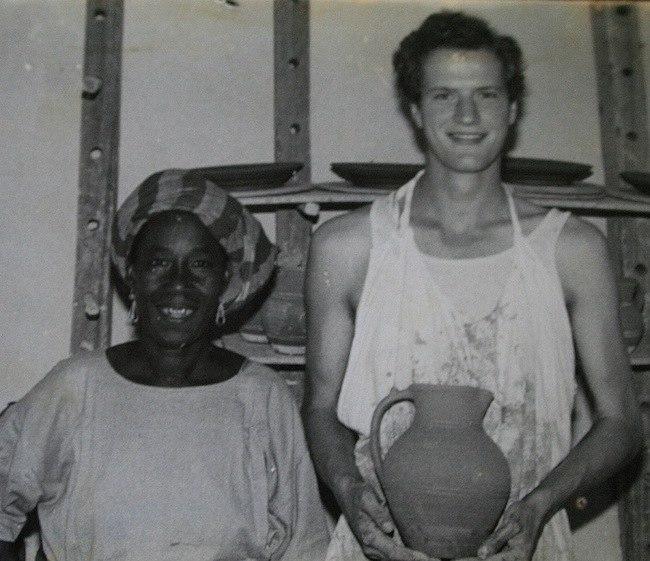
Despite not having formal schooling, Kwali received an honorary doctorate from Ahmadu Bello University, Zaria, in recognition of her contributions to art and pottery. She also received the Member of the Order of the British Empire (MBE) and the Nigerian National Order of Merit.
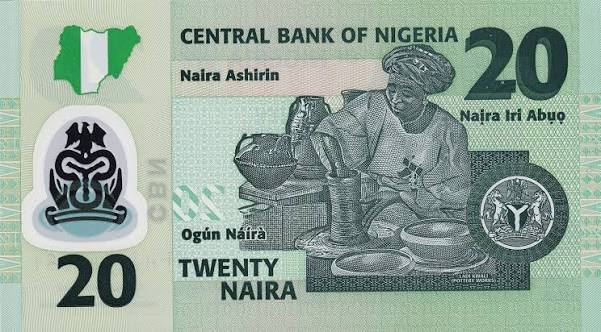
Kwali’s portrait appears on Nigeria’s ₦20 banknote, making her the first Nigerian woman to be featured on the country’s currency. The image celebrates her extraordinary contribution to Nigerian art and cultural heritage.
She died on August 12, 1984, but her legacy lives on through the Ladi Kwali Pottery Centre, named in her honour.