


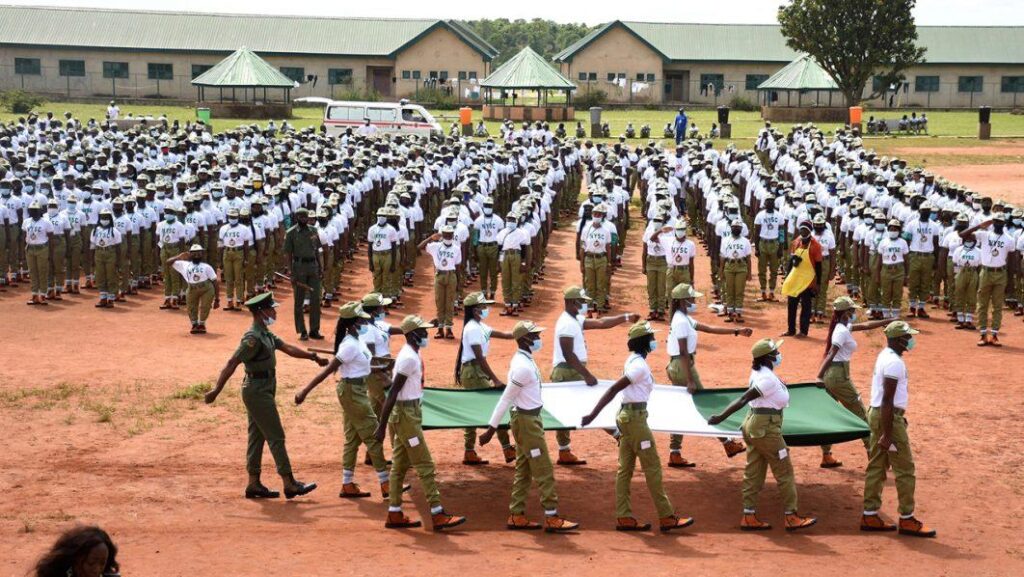
The traditional three-week orientation program will now last six weeks, giving corps members more time for practical training and skill development.

The six-week camp will be divided into:
Weeks 1–2: Civic responsibility, national values and leadership.
Weeks 3–4: Career development, entrepreneurship, financial literacy and access to finance.
Weeks 5–6: Specialized professional training based on each corps member’s chosen career stream.

Corps members will register under one of these streams:
Agriculture Corps
Medical Corps
Education Corps
Tech & Digital Corps
Legal Corps
Public Service Corps
Infrastructure Corps
Green Corps
Enterprise Corps
Creative Economy Corps
Paramilitary & Security Corps.

The call-up and mobilisation process will become fully digital to reduce delays, paperwork and fraudulent mobilisation.

Corps members will increasingly be posted based on their academic qualifications, skills and career interests rather than using the previous deployment model.
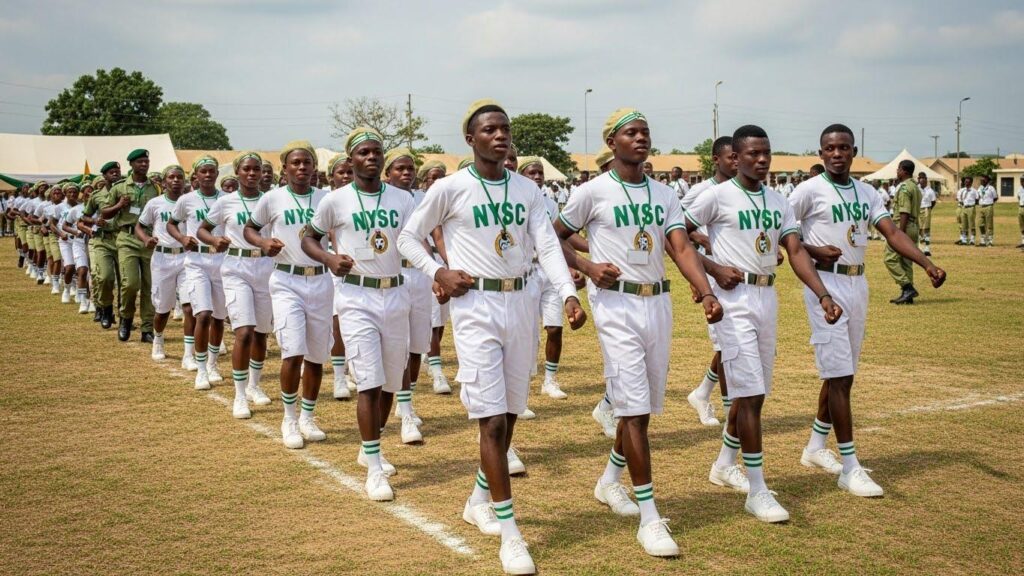
Deployment will take security conditions into account, with greater priority given to posting corps members to safer locations, including their home states, states where they studied, or neighboring states where necessary.
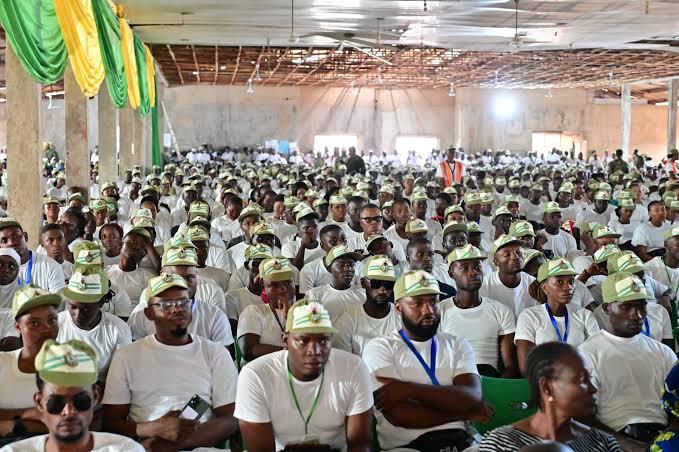
The NYSC will no longer be operationally headed by a military officer. Instead, it will be led by a civilian, while the military and other security agencies will continue providing security support.
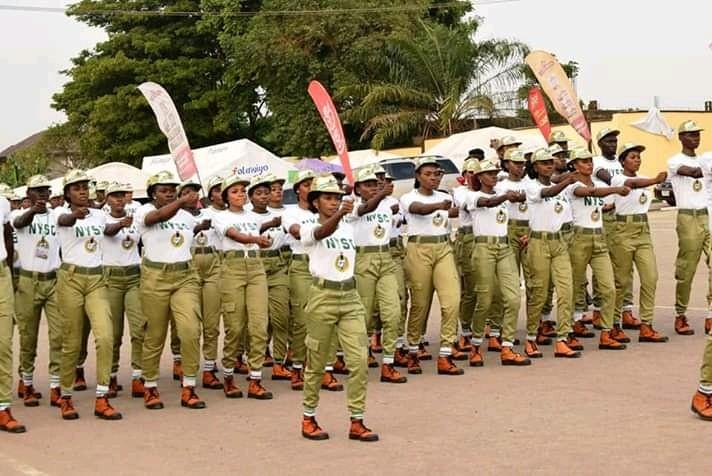
The traditional Passing-Out Parade (POP) will be replaced with a Graduation Ceremony, reflecting the government’s focus on producing work-ready graduates.

Corps members will receive a redesigned uniform, while orientation camps will be assessed under a national grading and certification system to improve standards nationwide.
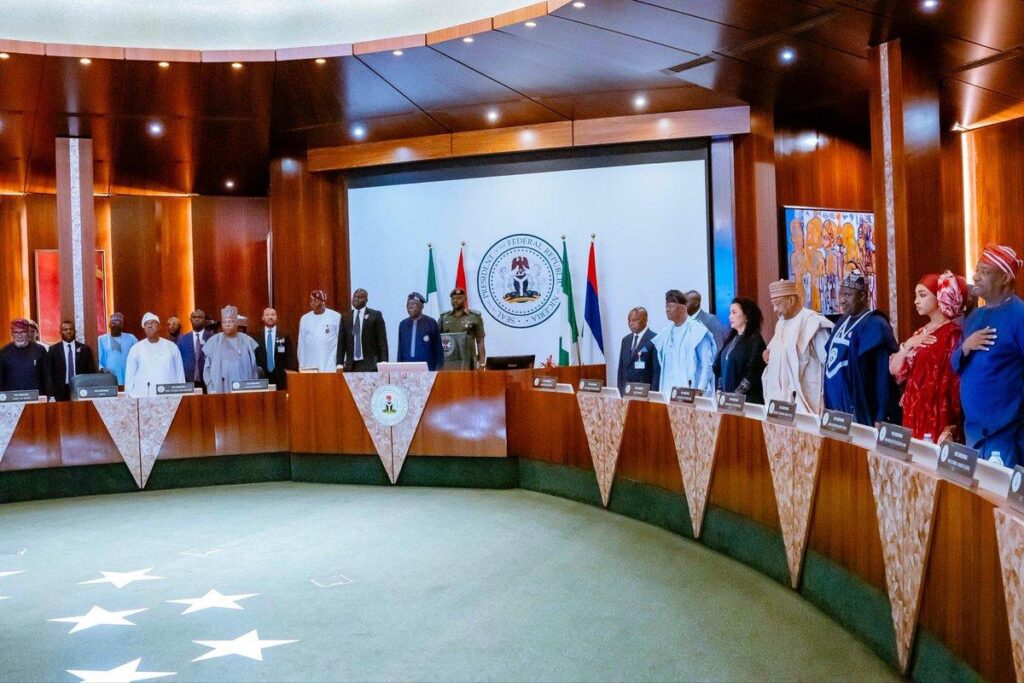
The Federal Executive Council has directed the relevant ministries to amend the NYSC Act and related regulations to formally implement the reforms. The one-year service duration remains unchanged for now.


