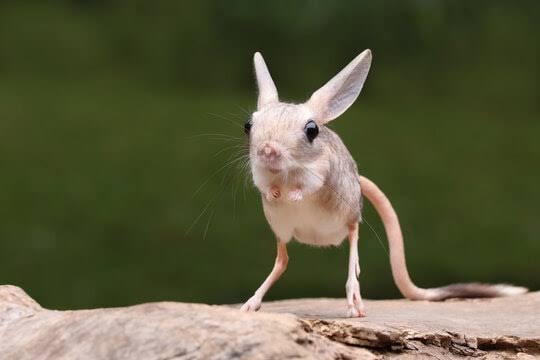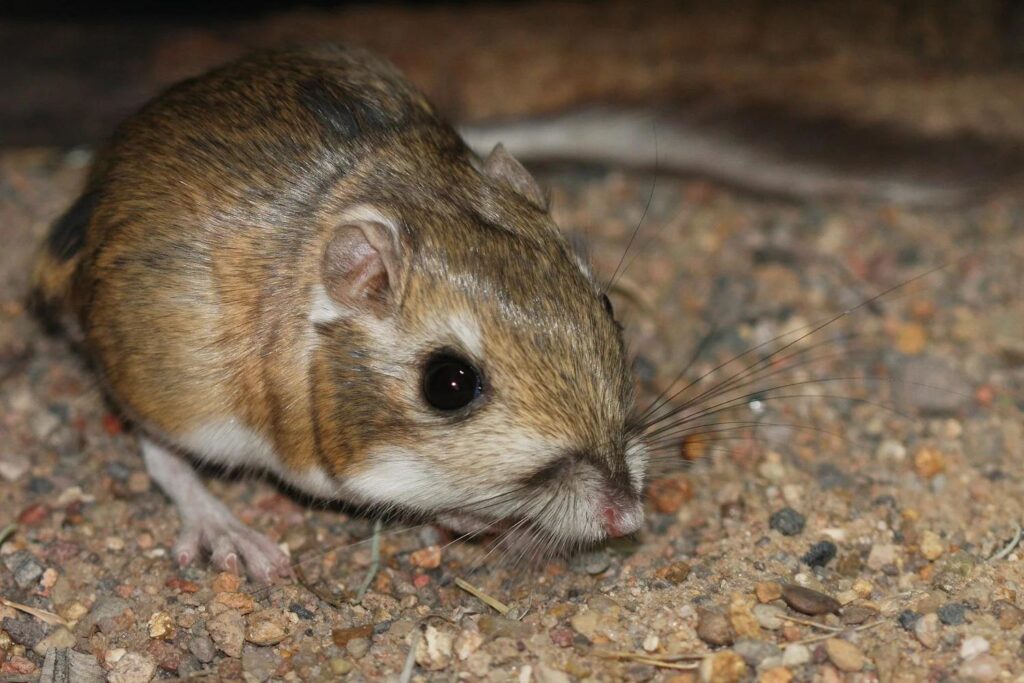
Found in North American deserts, kangaroo rats can live without drinking. Their bodies produce metabolic water as they break down food, particularly seeds. Their kidneys also conserve water exceptionally well.
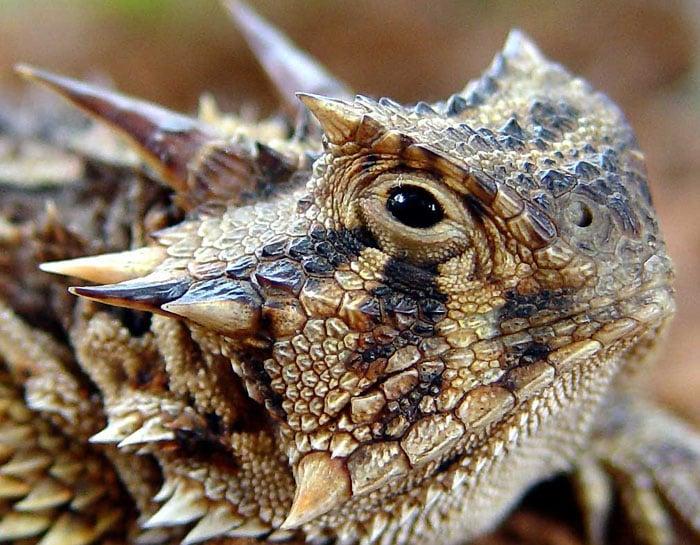
This Australian lizard has tiny channels between its scales that collect dew and rainwater and transport moisture towards its mouth. It can even collect moisture from damp sand.
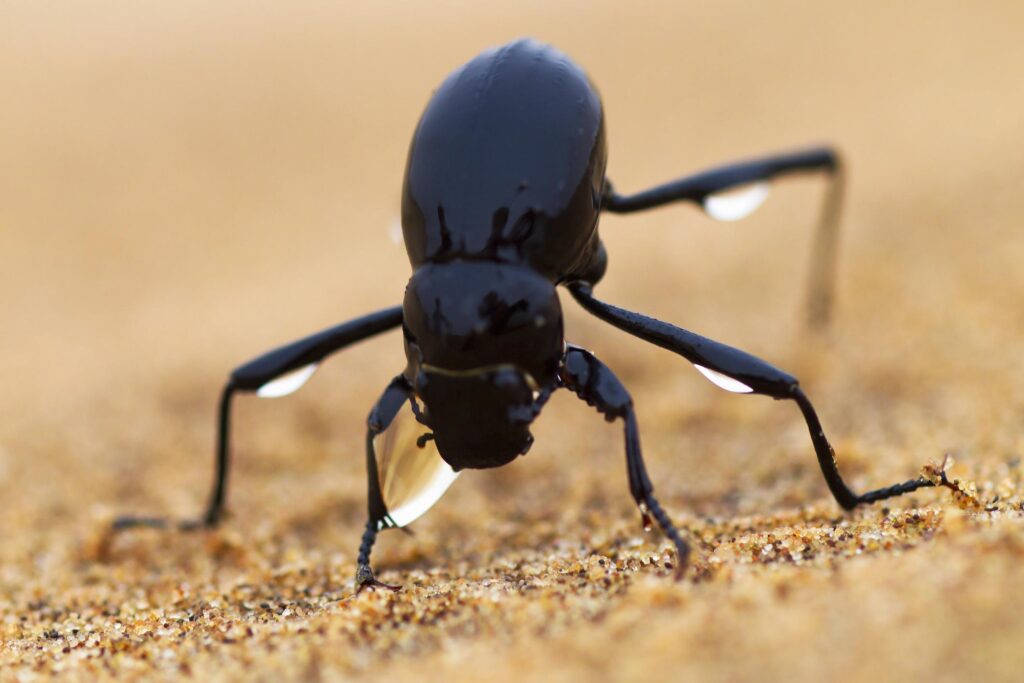
This remarkable insect collects tiny water droplets from fog on its body. The droplets gather and roll towards its mouth, allowing it to obtain moisture in an extremely dry environment.
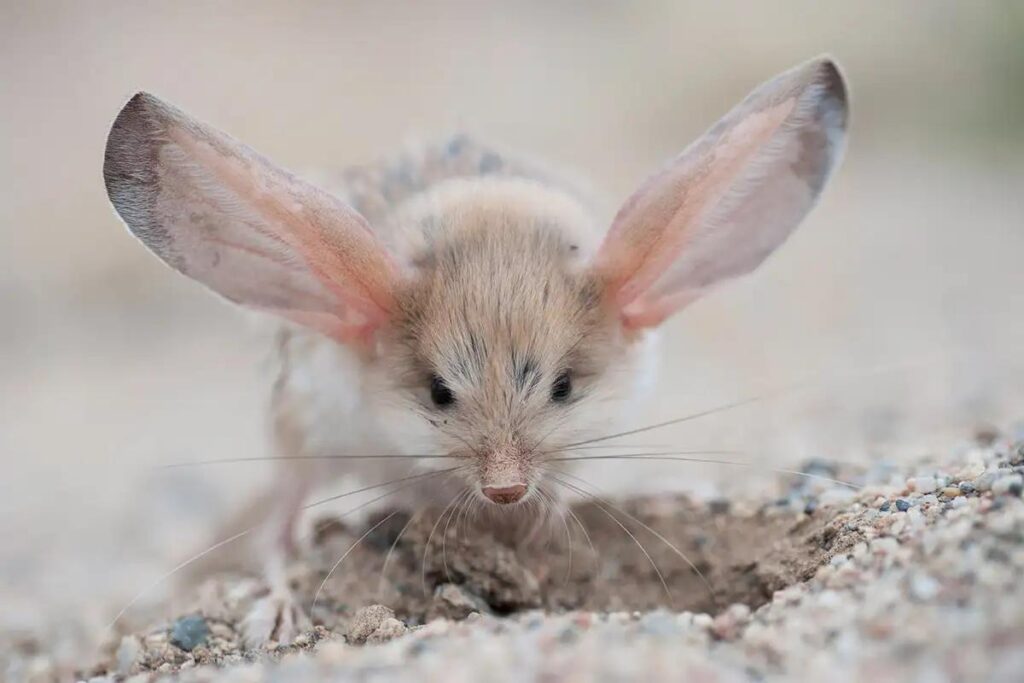
This small desert rodent obtains much of its water from seeds, roots and insects. It is also nocturnal, helping it avoid the intense daytime heat that causes water loss.
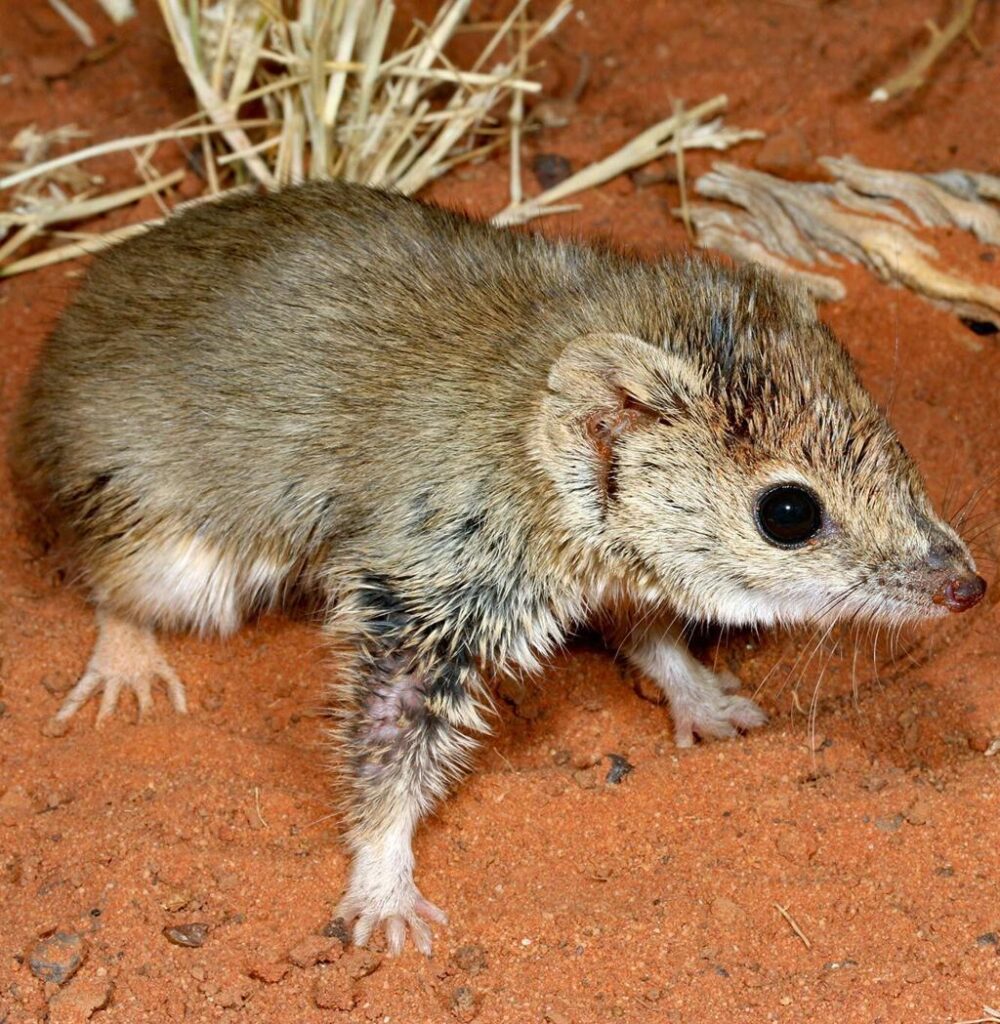
This small Australian desert marsupial can survive without drinking when food supplies enough moisture. Its highly efficient kidneys help it conserve water.
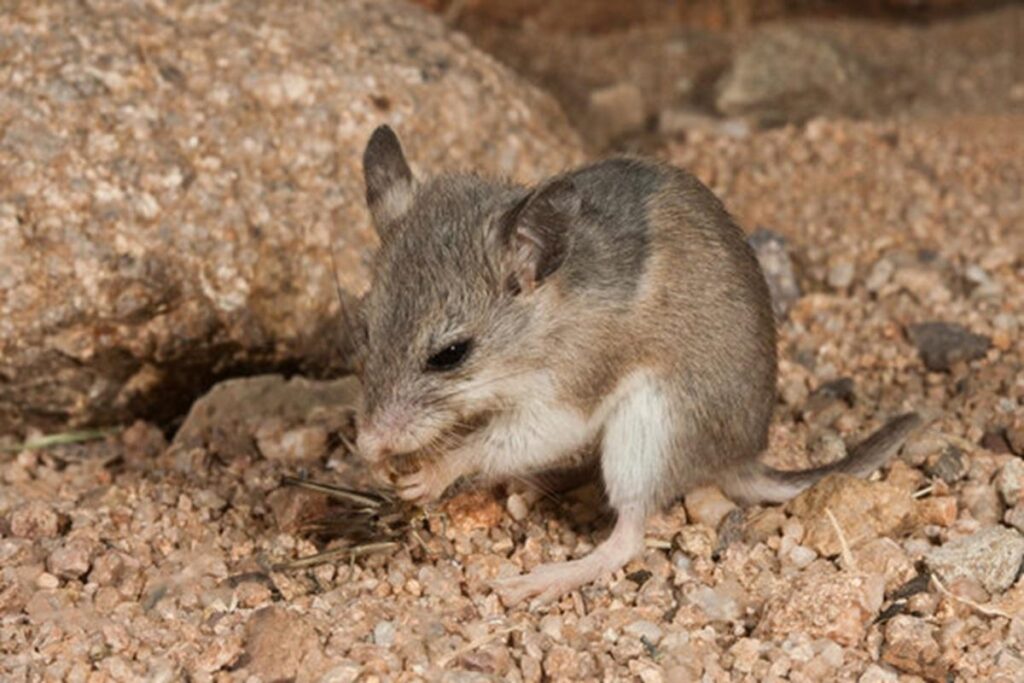
Found in North American deserts, this predatory mouse feeds on insects and other small animals. It can obtain sufficient water from its food without relying on drinking water.
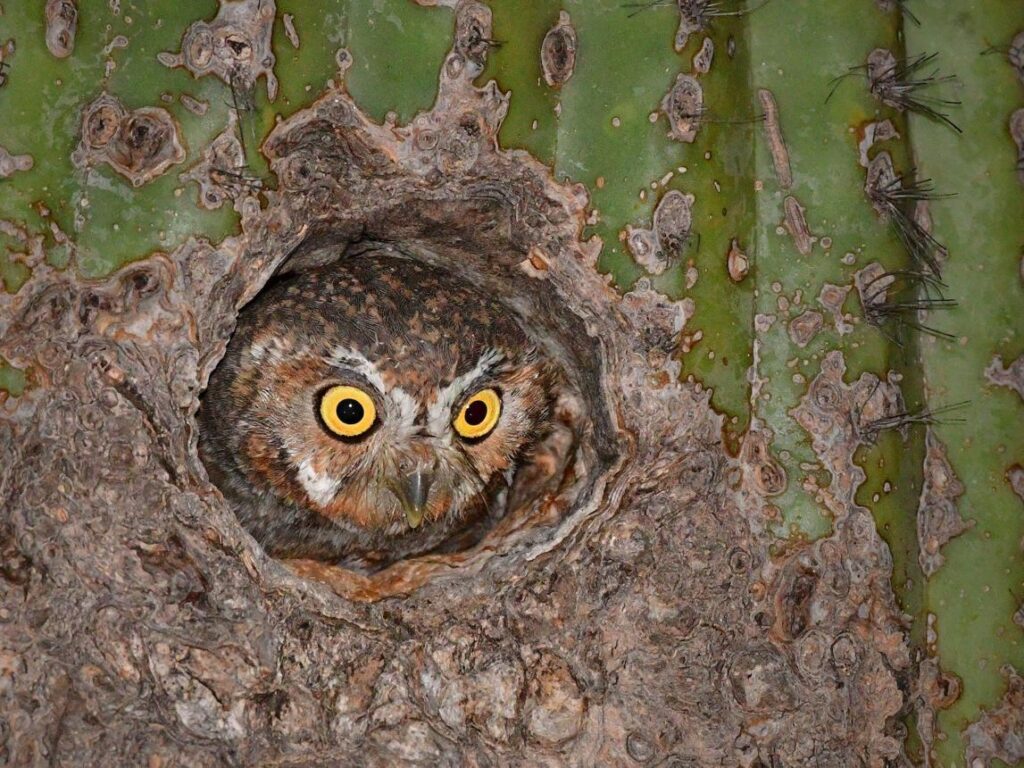
This tiny desert owl obtains much of the moisture it needs from insects, including katydids and scorpions. It can survive without regularly visiting water sources.
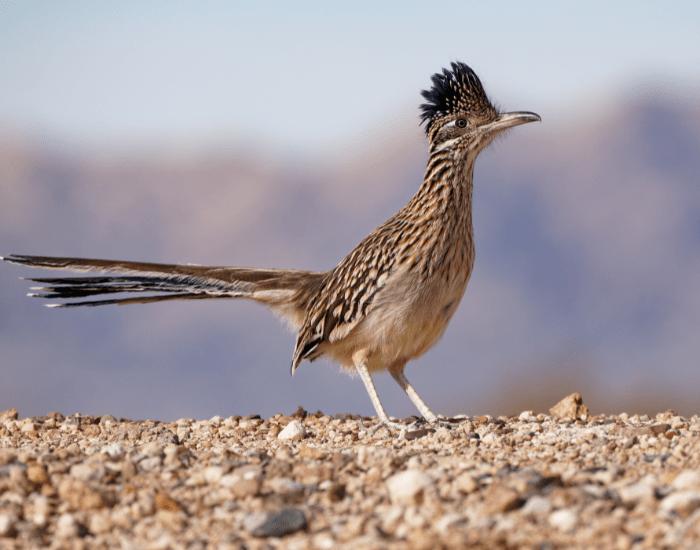
This desert bird gets much of its moisture from insects, lizards and other animals it eats. It also reabsorbs water from its waste to reduce fluid loss.
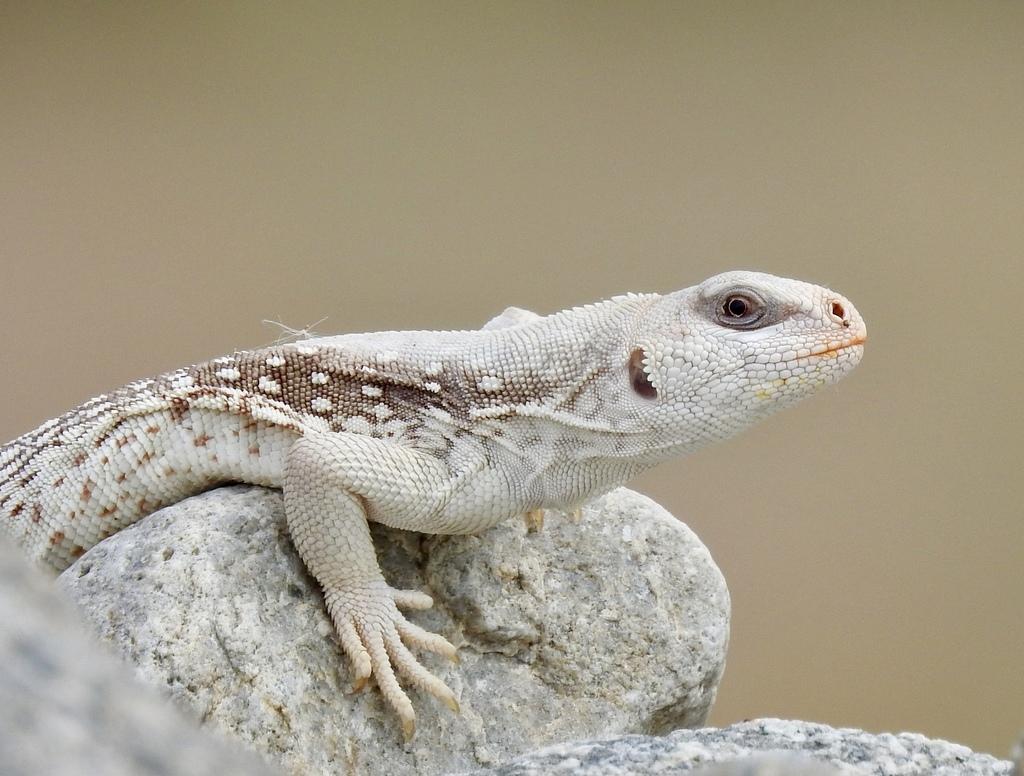
Native to the southwestern United States and Mexico, this lizard can meet its water requirements largely through the plants it eats, without depending on open water.
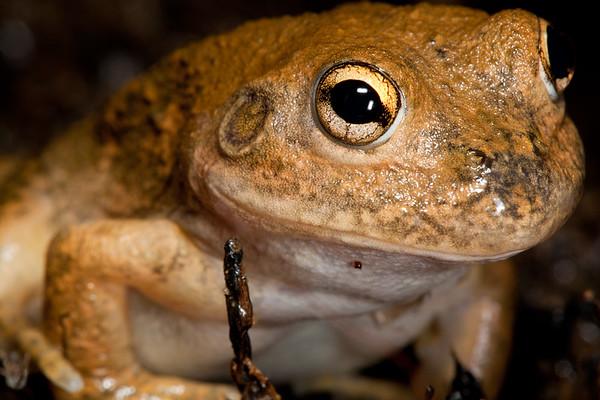
Found in Australia, this frog buries itself underground during droughts and forms a protective cocoon. It can remain dormant for extended periods, sometimes years, until rainfall returns.